
Watching health programs often shows conflicting views on nutritional supplements. Some highlight potential risks, while others promote their benefits. These shows usually cover one or two supplements at a time, making it hard to grasp their effects and side effects, not to mention the many supplements available.
Nutritional supplements are easy to obtain without prescriptions, even online. Ads, often featuring celebrities and claims of results, can make these products appealing. I have also purchased supplements based on online ads, showing reviews to my skeptical wife. However, the effectiveness and safety of these supplements are best understood through clinical research. So, let me summarize key points from trustworthy medical guides.
First, it’s important to note that there’s little proof that nutritional supplements can reverse chronic or degenerative diseases. Therefore, hoping that supplements can protect against these diseases is mistaken. We must recognize that chronic diseases, like hypertension, type 2 diabetes, high cholesterol, fatty liver disease, Alzheimer’s, and Parkinson’s, are hard to treat once they appear. Even with extensive research worldwide, the causes of these diseases are complicated and not fully understood.
Some supplements can help prevent diseases. Folic acid during pregnancy can prevent neural tube defects. Calcium and vitamin D may help prevent osteoporosis fractures. Zinc can reduce pneumonia risk in infants, and vitamin C can shorten colds. Iron supplements may improve motor development in infants, while probiotics can prevent diarrhea from antibiotics. Omega-3 fish oil supports heart health. Melatonin aids sleep and jet lag, and tart cherry may help with sleep. Caffeine from coffee and green tea can benefit heart health and memory.
These benefits suggest that some supplements can prevent or treat specific conditions. However, effective supplements for particular diseases are usually prescribed by healthcare providers. For example, during my wife’s pregnancy, her OB/GYN prescribed a multivitamin containing folic acid, zinc, and iron. When my daughter suffered from tonsillitis and sinusitis, her prescribed medications included probiotics.
Supplements not prescribed by doctors often don’t have proven benefits. Without clear proof, their side effects are unknown. Vitamins and supplements can have multiple effects on the body. For example, ginkgo biloba and vitamin K can improve blood flow but may also thin the blood. Beta-carotene and vitamin A can raise lung cancer risk in smokers. Too much calcium can cause kidney stones and affect kidney and heart health.
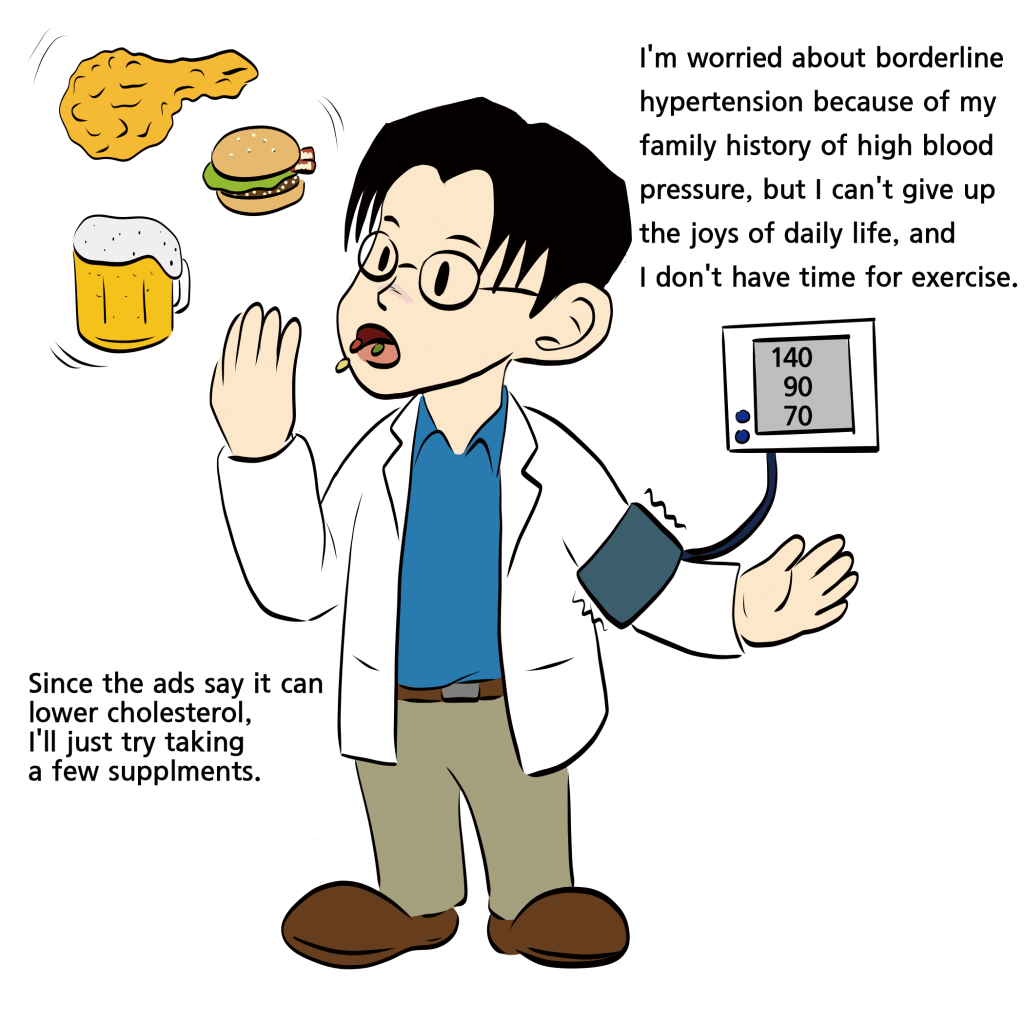
Preventing diseases involves more than eating healthily, maintaining a stable weight, and exercising. Various factors, including genetics, environment, stress, and mutations, contribute to diseases, many of which remain unknown. Nonetheless, a balanced diet and regular exercise are fundamental, though challenging, steps towards health. The appeal of an easier fix, such as taking some pills, can be enticing.
The main purpose of over-the-counter supplements is to help with nutrient deficiencies caused by an unbalanced diet. While they can support health, they aren’t a cure for serious issues like high cholesterol or blood sugar. Identifying our specific nutrient needs requires testing and expert advice. Therefore, it’s best to consult a healthcare provider for proper analysis and personalized supplement recommendations.
Summary
- There is little evidence that supplements can reverse chronic or degenerative diseases like hypertension or type 2 diabetes. These diseases have complex causes and are challenging to treat once they develop.
- Certain supplements have demonstrated benefits:
- Folic acid: Prevents neural tube defects during pregnancy.
- Calcium & Vitamin D: May reduce osteoporosis fractures.
- Zinc & Vitamin C: Support immunity.
- Iron: Aids infant motor development.
- Over-the-counter supplements often lack proven benefits and carry unknown side effects.
- Health Beyond Supplements:
Disease prevention is multifaceted, involving diet, exercise, genetics, and environmental factors. While supplements can address deficiencies, they are not substitutes for a balanced lifestyle or medical treatments.
Conclusion:
Supplements should primarily address nutrient deficiencies due to poor diet and should not be relied upon to treat or prevent major health issues. Personalized testing and consultation with healthcare providers are essential for safe and effective use.
References
1. https://www.health.harvard.edu/staying-healthy/dietary-supplements-do-they-help-or-hurt
- Lassi et al., Cochrane Database Syst. Rev., 2016, 12, CD005978
- Szajewska et al. Am. J. Clin. Nutr., 2010, 91, 1684
- Goldenberg et al. Cochrane Database Syst. Rev., 2017, 12, CD006095
- Losso et al. Am J Ther. 2018, 25, e194–e201
- Borota et al. Nat. Neurosci., 2014, 17, 201
- https://ods.od.nih.gov/factsheets/list-VitaminsMinerals/
 Leo & Leah
Leave a comment