Hugh Kim
Fats generally have a hydrocarbon chain structure. While some, like cholesterol, have multiple hydrocarbon rings, fatty acids forming triglycerides and phospholipids typically have chain structures ending with a carboxyl group. As mentioned, fatty acids with only single bonds are saturated fats, while those with double bonds are unsaturated fats.
Unsaturated fats are categorized into cis and trans based on the double bond structure. Cis fats, commonly found in liquid oils, have hydrogen atoms on the same side of the double bond, creating a “forward arms” configuration. This structure prevents the chains from packing tightly, making cis fats liquid at room temperature, crucial for cellular membranes and various organelle functions.
Some polyunsaturated fats (PUFAs) with multiple cis double bonds are essential as the body cannot synthesize them. These PUFAs, necessary for muscle function, blood clotting, and nerve tissue formation, must be obtained from the diet. Common health supplements like omega-3 and omega-6 fatty acids fall into this category. Omega-3 means the first double bond starts from the third carbon atom from the chain’s end, and omega-6 from the sixth. PUFAs are believed to lower LDL cholesterol and triglycerides, potentially preventing heart disease and stroke, although this remains debated. They are abundant in fish like salmon, mackerel, sardines, nuts, and vegetable oils.
Trans fats, structural isomers of cis unsaturated fats, differ by having hydrogen atoms on opposite sides of the double bond, creating a “disco arms” configuration. This minor structural difference results in significant physical changes, notably in melting points. Unlike cis fats, trans fats remain solid at higher temperatures. For instance, oleic acid, a cis fat with 18 carbons, melts at 14°C and is liquid at room temperature, while its trans isomer, elaidic acid, melts at 45°C and remains solid in the body. This property allows trans fats to accumulate in blood vessels, causing inflammation.
Numerous studies have established a correlation between trans fat intake and increased LDL and triglycerides. Trans fats also participate in inflammatory responses, oxidative stress, and cell death. Due to their structural properties, trans fats are difficult to break down in the liver, potentially leading to non-alcoholic fatty liver disease and cholesterol synthesis, contributing to liver diseases. They affect metabolic processes and networks, increasing the risk of cardiovascular diseases. Despite their structural similarity to cis fats, the difficulty in breaking down trans fats leads to various health issues.

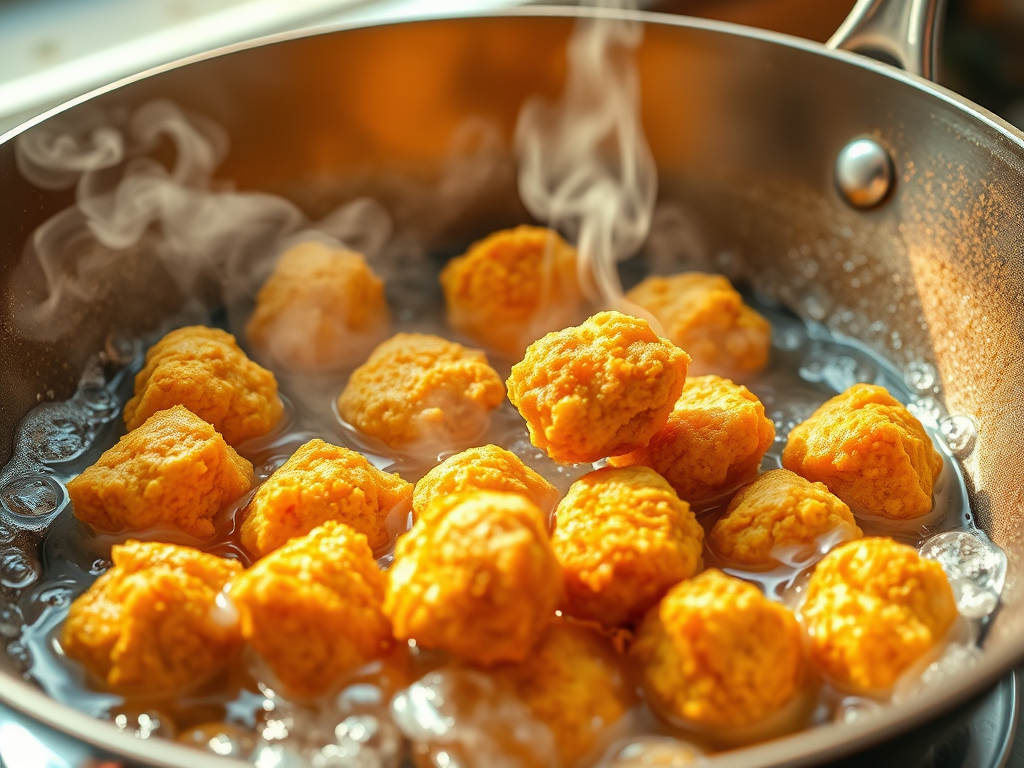
Trans fats are found in margarine, crackers, baked goods, and fast foods, as well as in small amounts in animal fats like meat, milk, and butter. Cis fats are sometimes hydrogenated to saturated fats for stability during cooking, producing trans fats. Hydrogenating vegetable oils breaks some double bonds, converting cis to trans configurations, forming trans fats. This process solidifies liquid oils, producing “partially hydrogenated oils.” Fried food outlets often used these oils to prevent oil degradation during high-temperature cooking. However, increasing awareness of trans fats since the mid-2000s has led to a shift to healthier oils like palm olein, olive oil, and grape seed oil, with measures like limiting frying frequency.
A common misconception is that trans fats taste good, making foods fried in hydrogenated oils delicious. Pure fats have no taste, but fats enhance flavors beyond basic tastes like sweet, salty, sour, bitter, and umami. While sensory cells respond to the texture of fats, they cannot distinguish between saturated, unsaturated, or trans fats. However, we know that oil significantly influences food flavor.
Oil enhances flavor in two ways. First, its hydrophobic nature spreads widely in the mouth, distributing salt and seasonings more efficiently, enhancing taste perception. Second, oil enriches food aromas. As discussed in the whiskey post, various aromas are primarily due to nonpolar aromatic molecules. Like ethanol in alcohol, oil dissolves nonpolar molecules, enhancing food’s inherent aromas and spreading them in the mouth, enriching flavor. The different aromas of olive oil, corn oil, and truffle oil explain why different oils impact the taste of fried foods. Therefore, cis unsaturated fats, liquid at room temperature, likely enhance food flavors more than solid trans fats.
Extensive research on trans fats’ adverse effects has led many countries to regulate trans fat intake in foods. South Korea, following global trends since the mid-2000s, mandates trans fat content labeling on processed foods. However, accurately gauging trans fat intake from labeled content remains challenging. Current regulations require reporting trans fats if the amount exceeds 0.5 g per serving or 100 g. Thus, reducing serving sizes or ensuring trans fats are below 0.5 g per serving allows a “zero trans fat” label, potentially misleading consumers about actual intake. WHO recommends keeping trans fat intake below 1% of total daily calories, equivalent to less than 2.2 g for a 2,000 kcal diet. Trusting “zero trans fat” labels can lead to exceeding this limit. Additionally, cooking oils can form trans fats during prolonged high-temperature cooking, similar to hydrogenation processes. Animal fats also contain trace amounts, making it challenging to control daily trans fat intake.
Fats are high-calorie essential nutrients, enabling diverse cooking methods and enriching food flavors. Despite misunderstandings and unknowns, as emphasized in each chapter, excessive consumption of any food poses problems. Fats alone do not make a meal; carbohydrates, proteins, minerals, and other ingredients combine to create balanced meals. Blaming one nutrient for health issues is oversimplified. The burger I enjoyed in college contained 0.6 g of trans fats, below daily limits, yet frequent consumption and unrecognized sources likely harmed my health.
As an ordinary middle-aged man today, moderating food intake is harder than it seems. Stopping mid-meal is challenging, analyzing nutrients separately is impractical, and recommended portions often leave me wanting more. This might be a luxury problem in an era of nutritional abundance.
Summary
- Cis fats are liquid at room temperature due to their structure, crucial for cellular functions.
- Trans fats, with opposite hydrogen atom placements, remain solid and can accumulate in blood vessels, leading to inflammation and health issues.
- Trans fats increase LDL cholesterol, triglycerides, and contribute to inflammation and oxidative stress.
- They are linked to non-alcoholic fatty liver disease, cardiovascular diseases, and metabolic disorders due to their resistance to breakdown.
- Many countries regulate trans fat intake, with labeling requirements mandating disclosure for amounts above 0.5g per serving.
- “Zero trans fat” labels can be misleading, as trace amounts may still contribute to excessive intake.
- While fats are essential nutrients, overconsumption and hidden sources (e.g., trace trans fats in animal fats) complicate dietary management.
- A balanced diet including fats, carbohydrates, proteins, and other nutrients is crucial, avoiding oversimplified blame on one nutrient for health issues.
References
1. Eslick et al. Int J Cardiol, 2009, 136, 4-16
2. Oelrich et al. Nutr Metab Cardiovasc Dis. 2013, 23, 350-357
3. Oteng & Kersten, Adv. Nutr., 2020, 11, 697–708
4. Martin et al. An. Acad. Bras. Ciênc. 2007, 79, 343-350
5. Harris, Qunatitative Chemical Analysis, 10th Ed., 2020
 Leo & Leah
Leave a comment