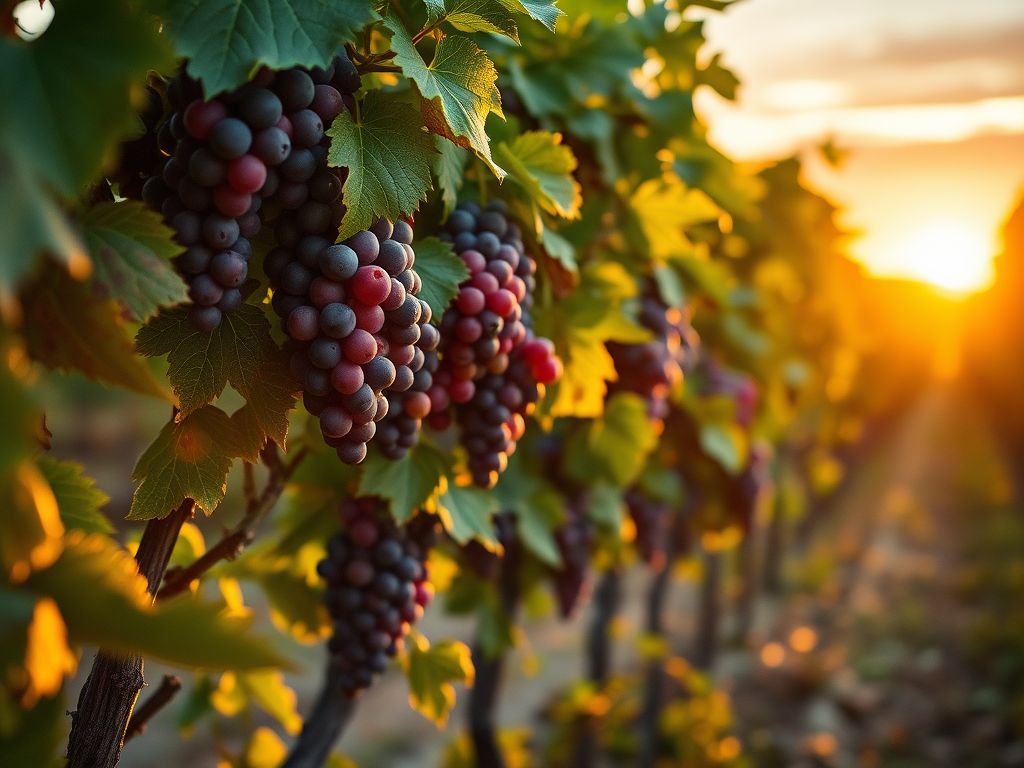
Wine is an alcoholic beverage made by fermenting the juice of grapes. Grapes are one of the most widely cultivated fruits in the world, accounting for about 30% of global fruit production. Due to their vast variety and abundance, a significant portion is used for making wine. This is why grocery stores often dedicate a large and impressive space to a diverse selection of wines, even more so than beer. Like beer, wine has been a companion to human civilization for thousands of years. Early humans discovered that leaving grape juice to ferment would produce a beverage with complex aromas and flavors, which they began to enjoy. Wine, similar to beer, is a fermented beverage created by using yeast to convert the sugars in grapes into alcohol.
Interestingly, the most commonly used yeast for wine fermentation is the same as that used for brewing ale: Saccharomyces cerevisiae. After Louis Pasteur discovered fermentation by yeast in the late 19th century, it was realized that different yeasts could significantly alter the taste of wine. This led to the development of specialized wine yeasts. Before this, for thousands of years, wine was made through natural fermentation by wild yeasts (such as Kloeckera and Candida genera) that came in with the harvested grapes. Despite the availability of cultivated wine yeasts, some natural winemakers intentionally use wild yeasts for traditional natural fermentation. The flavors and aromas of wine are further diversified by the various grape varieties and cultivation methods. The processes of fermentation and aging also contribute to the distinct tastes and aromas of wines.
Typically, wine contains 12-15% ethanol, 1% glycerol, 0.5% organic acids, and about 0.1% tannins and phenolic compounds. Glycerol, commonly used as a lubricant, is a colorless, odorless, non-volatile substance that doesn’t directly contribute to the aroma of wine. However, this amphiphilic compound softens the wine and helps dissolve various aromatic organic compounds into the wine solution along with ethanol. Glycerol is produced by yeast during fermentation in response to osmotic pressure and redox reactions.

Tannins are a type of polyphenol that contributes to astringency. Synthesized by plants, they react with proteins and other macromolecules to form large polyphenolic compounds collectively referred to as tannins. Tannins are the backbone of the taste and aroma of red wines, though white wines contain them in much lower concentrations. The tannins in wine come from the seeds, skins, and stems of grapes, as well as from the oak barrels used for aging. When you drink wine, tannins bind with the proteins in your saliva, causing precipitation. High tannin content makes wine feel less smooth in the mouth and more astringent. Therefore, the amount and reactivity of tannins significantly influence the taste of wine. Factors like the harvest time, temperature, and aging period affect tannin levels. The red color of wine is due to anthocyanin pigments. Over long aging periods, anthocyanins react with tannins, softening the color and the taste of the wine.
The organic acids in wine play a crucial role in its chemical stability, acidity, and quality. Grapes, like many other fruits, contain mainly malic acid and tartaric acid, which make up over 90% of the organic acids. During fermentation, the levels of malic and tartaric acids decrease, while citric acid and lactic acid increase. Acetic acid is produced during aging. The right balance of organic acids can give the wine a fresh taste, but excessive amounts can cause a dull taste.
One of the key compounds influencing the aroma of wine is methoxypyrazine. This compound, derived from grapes, is responsible for a fresh, vegetal aroma. Extremely small amounts of isopropyl methoxypyrazine and sec-butyl methoxypyrazine give wine a distinctive earthy smell. Many other compounds, most of which would be considered malodorous in isolation, are present in wine in tiny quantities and combine to produce unique aromas.
When wine is aged in oak barrels, ethanol and various organic compounds in the wine extract different compounds from the oak. These include vanillin, which gives a vanilla aroma; trans-lactone, which adds a clove-like scent; furfural, which imparts a caramel aroma; and guaiacol, responsible for smoky notes. It’s said that wine contains over 1,000 different compounds. Given its commercial value, research into improving wine quality is vigorous, to the extent that analyzing trace compounds in wine has become a distinct academic field. Despite the myriad compounds, the grape variety is the most crucial factor in determining the unique flavor of wine. The competition in the wine market has led to the development of various grape varieties, making grapes one of the most widely cultivated fruits globally.
References
- Mysels, J. Opioid Manag. 2010 6, 445
- https://www.chemsafetypro.com/Topics/CRA/acute_toxicity_ld50_lc50.html
- https://www.therecoveryvillage.com/alcohol-abuse/
- Chiara, Alcohol Health Res. World. 1997, 21, 108
- Cervera-Juanes et al. Mol Psychiatry. 2016, 21, 472
- https://www.drugabuse.gov/drug-topics/alcohol
- Palmer, (2017) How To Brew: Everything You Need to Know to Brew Great Beer Every Time, 4th Ed., Brewers Publications
- Hornsey, (2003) A History of Beer and Brewing, Royal Society of Chemistry
- Olaniran et al. J. Inst. Brew. 2017, 123, 13
- Devitt, 500 years ago, yeast’s epic journey gave rise to lager beer, https://news.wisc.edu/. 2011. 08. 22.
- Stack, A Concise History of America’s Brewing Industry, EH.net
- Gajanan, How to Talk About Beer Like a Pro, Time, 2018. 04. 07
- https://beerandbrewing.com/dictionary/tUHp3R5egg/
- Ting & Ryder, J. Am. Soc. Brew, Chem., 2017, 75, 161
- BYO Staff, Using Roasted Barley: Tips from the Pros, byo.com, 2004. 01
- https://www.simpsonsmalt.co.uk/blog/malt-production-process-roasting/
- Carlin and Rosentha, (1998) Food and eating in medieval Europe, Hambledon Press
- Mitchell and Herlong, Annu. Rev. Nutr., 1986, 6, 457
- Zelman, The Truth About Beer, webMD, 2014. 08.
- Hobson and Maughan, Alcohol Alcohol., 2010, 45, 366
- Cuzzo and Lappin, Vasopressin (Antidiuretic Hormone, ADH), StatPearls [Internet], 2019
- Chiba and Phillips, Addict. Biol, 2000, 5, 117
- Fugelsang and Edwards, (2010) Wine Microbiology, 2nd Ed., Springer Science and Business Media
- Adams, The Science of Winemaking Yeasts, Sevenfiftydaily, 2018. 06. 06.
- Remize et al. Yeast, 2003, 20, 1243
- Russan, The Science of Tannins in Wind, SevenFiftyDaily, 2019. 02. 07.
- Rovner, C&En, 2006, 84, 30
- Robles et al. TrAC-Trends Analyt. Chem., 2019, 120, 115630
- Hines, These Are the Chemical Compounds That Make Wine Taste So Good, Vinepair, 2017. 09. 24.
- Corliss, Is red wine actually good for your heart?, Harvard Healthy Blog, 2018. 02. 19.
- Panesar (2014) Biotechnology in Agriculture and Food Processing: Opportunities and Challenges, CRC Press
- Bang et al. Korean J. Food Cook Sci., 2016, 32, 44
- Takahashi & Kohno, PLos One, 2016, 11, e0150524
- https://en.sake-times.com/learn/the-science-of-sake-aroma
- https://thesool.com
- Casey & Ingledew, Crit. Rev. Microbiol., 1986, 13, 219
- Jin et al. Trends Food Sci. Technol. 2017, 53, 18
- Karlsson & Friedman, Sci. Rep., 2017, 7, 6489
- Tsakiris et al. J Sci Food Agric 2014; 94: 404
- http://www.snuh.org/health/compreDis/OT01/6.do
 Leo & Leah
Leave a comment