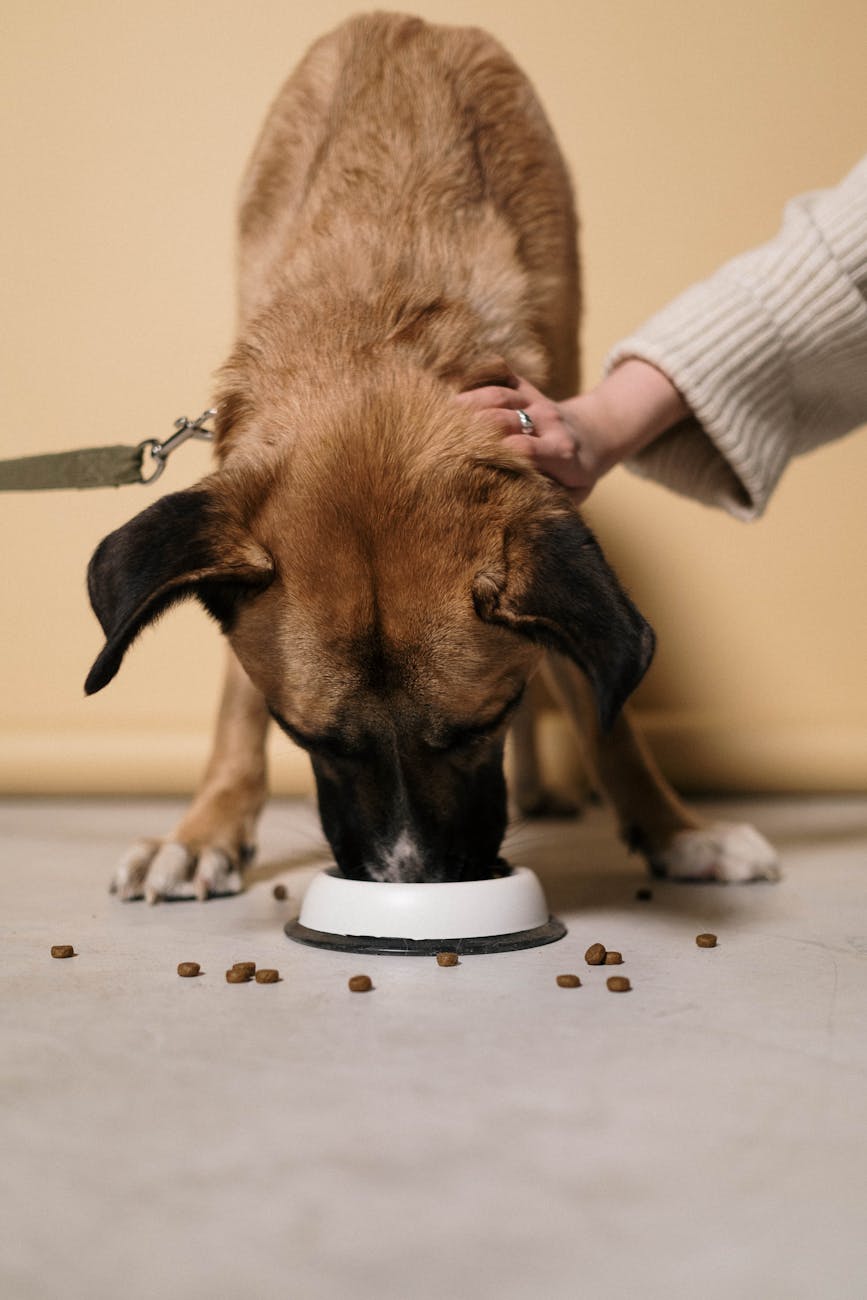
Dog’s Taste Sensitivity
- A dog’s tongue has about 1,700 taste buds, whereas a human tongue has around 10,000, meaning dogs have a much weaker sense of taste.
- The difference between treats and regular dog food is primarily in the slight variation in taste, with treats being somewhat tastier.
- Dogs generally cannot distinguish between the flavors of different types of dog food very well. If you want to make the food more appealing, enhancing its smell can be effective (e.g., by slightly warming dry food in the microwave).
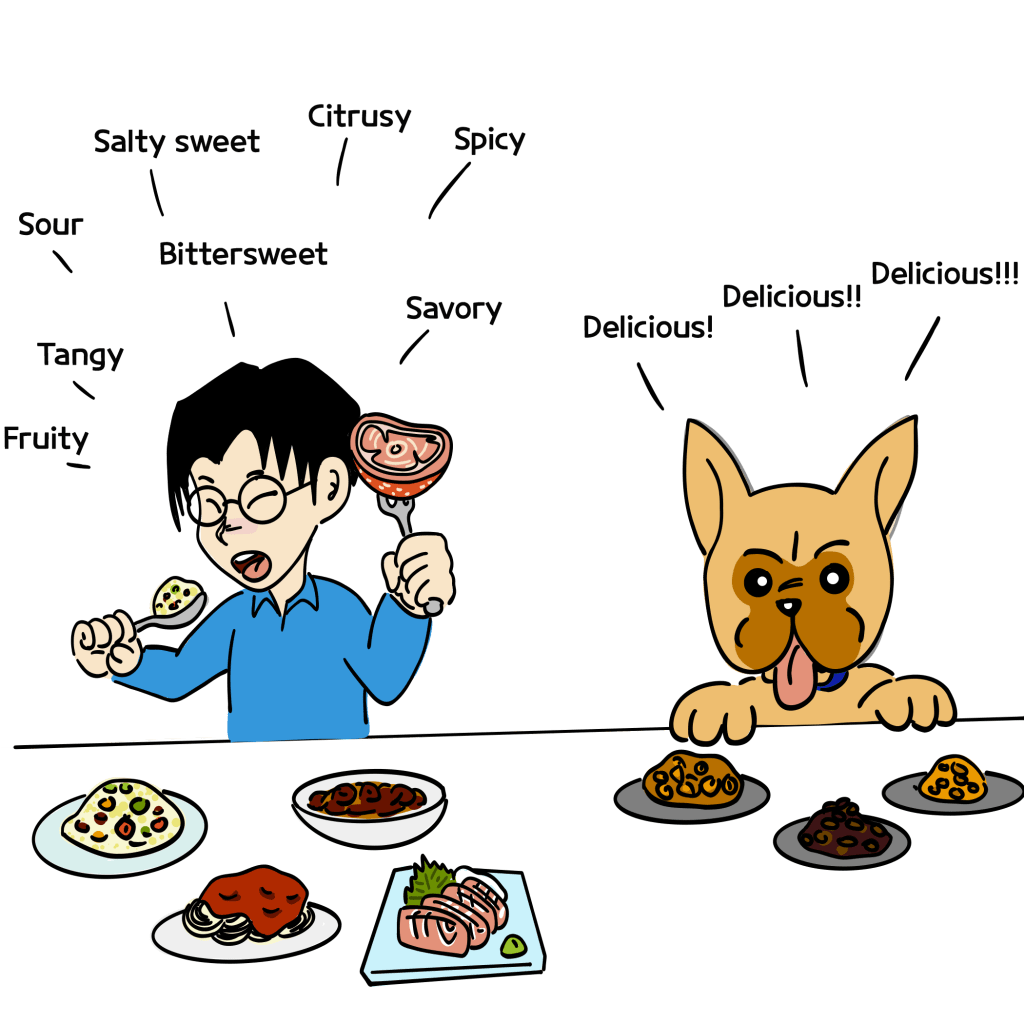
- Dogs are less sensitive to salty flavors but are more sensitive to sweet and sour tastes.
- Dogs have a strong aversion to bitter tastes, which is why sprays designed to prevent them from chewing on furniture or objects are usually extremely bitter.
Dog’s Eating Habits
- Dogs tend to have a strong appetite, a trait inherited from their wild ancestor, the gray wolf, but this has become more pronounced in domestic life with humans.
- In the wild, wolves and similar animals secure food through hunting, but since hunting success is not guaranteed, they tend to eat as much as possible when food is available.
- For dogs living with humans, food is provided consistently, and most dogs tend to eat all the food they are given. However, unlike wild wolves, domestic dogs often have lower activity levels, which can lead to obesity.
- To prevent obesity, it’s important to adjust the type and amount of food based on the dog’s breed, size, activity level, and age, and to encourage appropriate levels of physical activity.
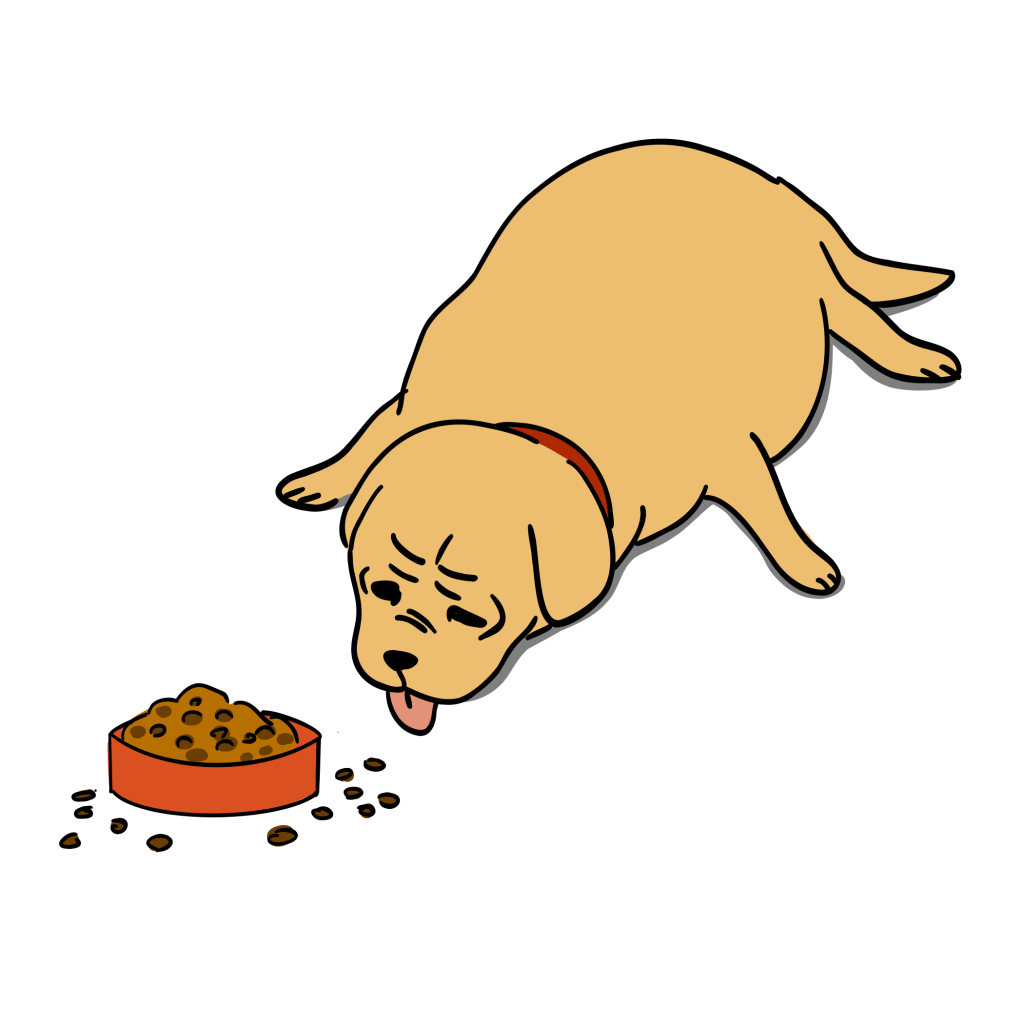
- Excessive appetite in dogs is one of the reasons why two-thirds of pet dogs in developed countries, including the United States, exhibit signs of obesity.
- This strong appetite in dogs may also be linked to genetic mutations that occurred during the domestication process.
- The Labrador Retriever breed is particularly prone to mutations in the POMC gene, which plays a key role in appetite regulation and weight management. These mutations are not only common in Labrador Retrievers but also in highly trained dogs, such as service dogs. Some believe this is due to the intense training processes that rely heavily on treats, leading to an increased obsession with food.
References
- Case, The Dog: Its Behavior, Nutrition, and Health, 3rd ed., 2023, WIley
- Gates, Dogology: The Weird and Wonderful Science of Dogs, 2021, Quadrille
- Lewis, Biology of Dogs: From Gonads Through Guts to Ganglia, 2021, Dogwise
- Folge, New Encyclopedia of Dog, 2000, DK
 Leo & Leah
Leave a comment