
Paracelsus, known as the first chemist, said, “The dose makes the poison.” Nutrients are substances we use for survival after consumption, but in excessive amounts, they can harm or endanger us.
Generally, toxic substances refer to materials that have acute toxicity, meaning they are dangerous if consumed within a short period.
Acute toxicity is usually expressed by the median lethal dose (LC50).
This refers to the amount that could kill half of the subjects, usually determined through animal experiments. A short period typically refers to within 24 hours.
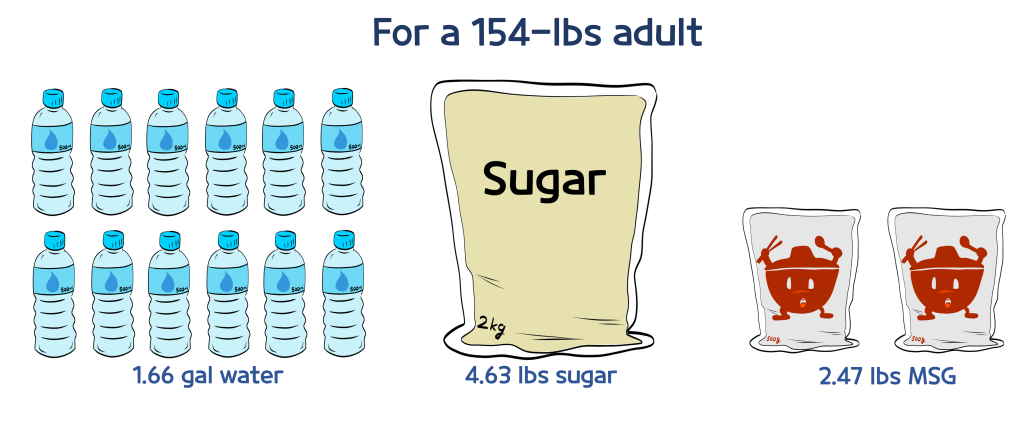
For a 154-pound adult, the median lethal dose is:
– 1.66 gallons of water
– 4.63 pounds of sugar
– 2.47 pounds of MSG
It is common sense that no one would consume 4.63 pounds of sugar or 1.66 gallons of water at once.
Therefore, these substances are generally considered to have no toxicity.
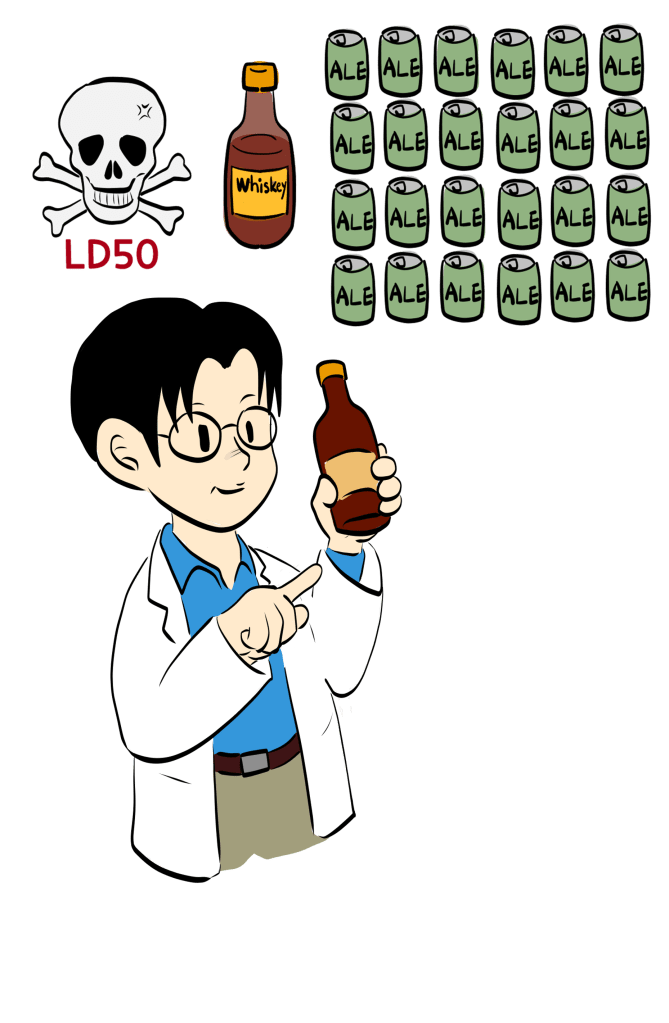
The median lethal dose of ethanol is 7,000 mg/kg, which is about 1.08 pounds for a 154-pound adult.
Common sense suggests that no one would drink 16.91 oz of 100% ethanol, which is why ethanol is generally considered to have no acute toxicity.
However, sometimes surprising things happen around us.
For example, consuming more than the median lethal dose of alcohol in one night.
Although it’s rare these days, there used to be frequent news reports of university freshmen dying from acute alcohol poisoning.
Many people have also experienced a friend or acquaintance being rushed to the emergency room due to alcohol-related health issues.
If a 154-pound adult drinks more than 24 cans of beer or about 18.3 oz (~540 mL) of 80-proof whiskey in one night, they have consumed more than the median lethal dose.
Unlike alcohol, there is no case where someone consumes the median lethal dose of 1.66 gallons of water, 4.41 pounds of sugar, or 2.2 pounds of MSG.
Even if you wanted to, your body wouldn’t accept it.
So why is it that alcohol, whose active ingredient ethanol is considered to have almost no acute toxicity, can be consumed like this?
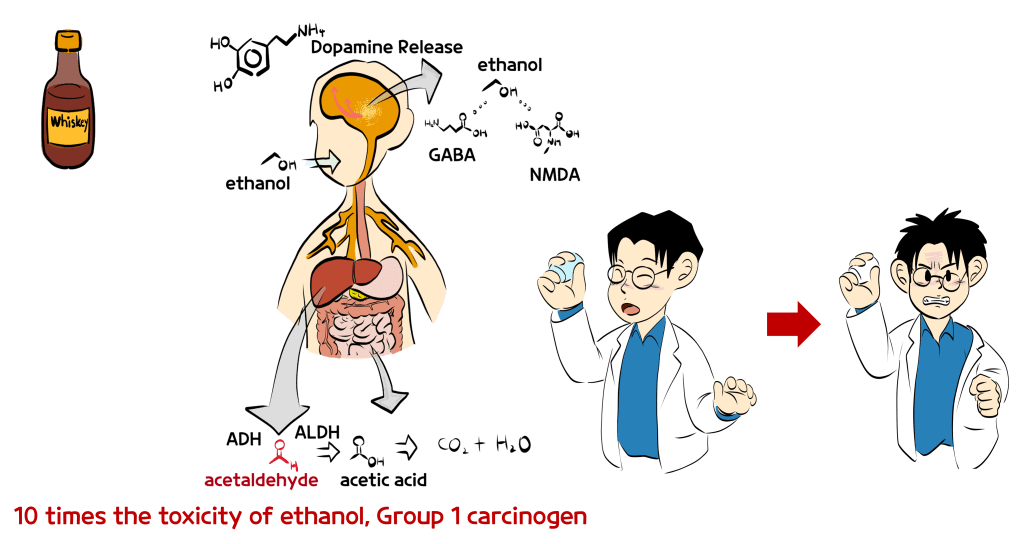
When you drink alcohol, ethanol paralyzes the central nervous system.
Ethanol disturbs the neuronal cell membranes, ion channels, enzymes, and receptor proteins in the brain.
Ethanol also cause proteins to clump together and can directly bind to the receptors of nerve cells.
Ethanol that binds to the receptors of nerve cells slows down the nervous system, making the thinking and muscle control of the person drinking slower. This is why tasks or driving are prohibited after drinking.
Since the central nervous system is paralyzed, even when alcohol is consumed excessively, the body becomes sluggish and continues to accept it.
Alcohol consumption increases dopamine levels in the brain, which leads to alcohol addiction.
When alcohol addiction occurs and ethanol is consumed over a long period, the brain cells that have been interfered with by ethanol in the reception of neurotransmitters start responding excessively to small amounts of neurotransmitters.
This is why alcoholics can become highly agitated and display violent tendencies over small matters.
In other words, alcohol makes people relaxed in the short term, but in the long term, it makes them more prone to violence.
While ethanol in the body is paralyzing the central nervous system, the liver is working to metabolize and excrete the ethanol. Ethanol is oxidized to acetaldehyde by alcohol dehydrogenase (DAH). Acetaldehyde has 10 times the toxicity of ethanol and is classified as a Group 1 carcinogen.
Therefore, the liver uses aldehyde dehydrogenase (ALDH) to oxidize acetaldehyde into acetic acid, the main component of vinegar, and finally breaks it down into carbon dioxide and water, which are excreted from the body.
When someone who is deficient in aldehyde dehydrogenase drinks alcohol, they immediately experience facial flushing because the metabolism of the consumed ethanol slows down due to the deficiency.
Even people without enzyme deficiencies will experience hangovers, including headaches and vomiting, if they consume more alcohol than their liver can process overnight.
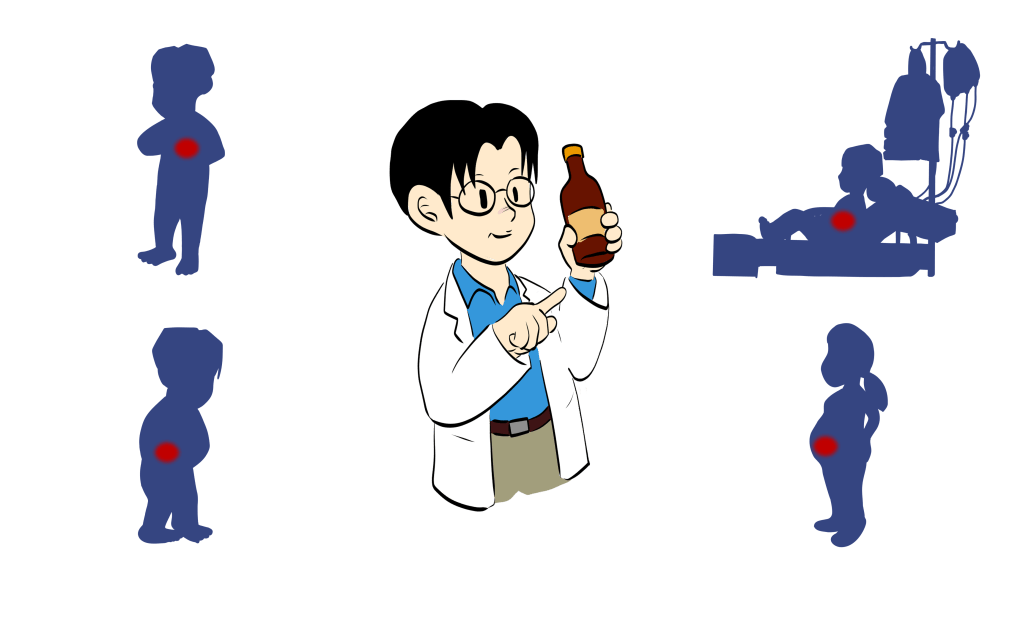
Ethanol has low acute toxicity, but besides acute toxicity, it is a substance that possesses all other types of toxicity.
Regular drinking habits carry a significant risk of chronic toxicity, which involves ‘accumulated damage to specific organ systems, meaning cumulative damage that takes several months or years to manifest into clinical disease.’
Subacute toxicity that appears after several months of consumption, chronic toxicity that manifests over years of consumption, carcinogenicity, and developmental toxicity that affects the fetus.
Drinking alcohol during pregnancy constricts the blood vessels in the placenta, reducing the supply of nutrients and oxygen that should be delivered to the fetus.
Ethanol is transmitted to the fetus, causing brain damage and affecting the growth of tissues, organs, and systems, which can result in physical, mental, and behavioral defects in the baby.
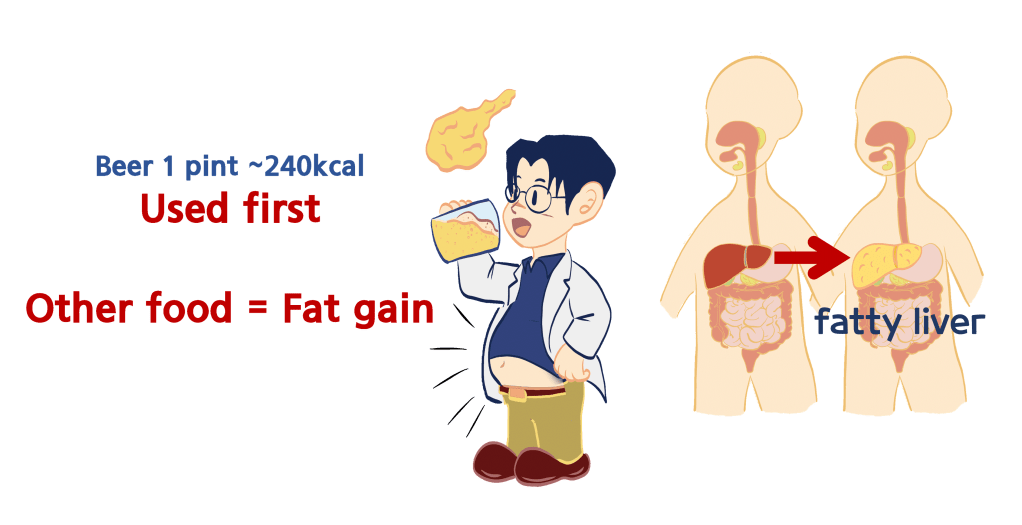
Ethanol contains 7 kcal of energy per gram.
Ethanol does not get converted into fat and stored in the body when consumed excessively.
This is why alcohol is called “empty calories.”
A one-pint can of beer contains approximately 240 kcal, which is equivalent to a chocolate bar or a bowl of rice.
When energy from alcohol enters the body, it is used first, as this energy cannot be stored.
Therefore, when you drink alcohol while consuming snacks or other food, the additional calories from the food are more easily stored in the body.
Additionally, ethanol promotes the synthesis of triglycerides in the liver, which can lead to fatty liver and promote fat accumulation in the body.
How the body can handle so much liquid, such as drinking 100 fluid ounces (about 3 quarts) of beer, even aside from the paralysis of the central nervous system?
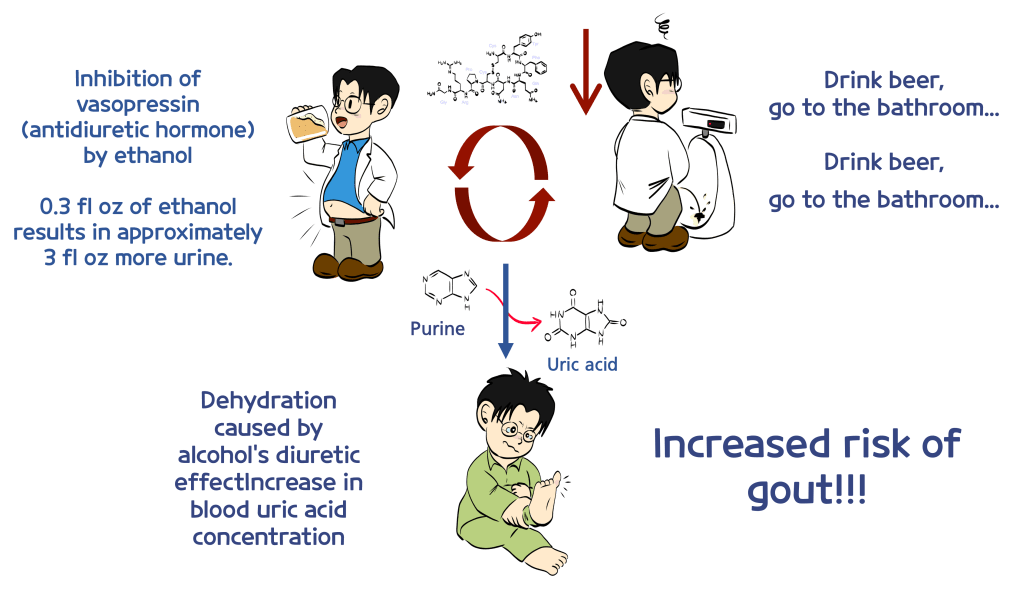
The reason we can keep drinking alcohol, which is mostly water, is that ethanol increases urine output and dehydrates our body.
0.8 fluid ounces of ethanol makes you excrete approximately eight fluid ounces more urine.
The reason we urinate more while drinking is that ethanol inhibits the secretion of vasopressin, an antidiuretic hormone.
In other words, drinking a can of beer makes you urinate an additional 8 fluid ounces, and the more beer you drink, the thirstier you get, leading to more consumption.
When you drink excessively, your body ends up excreting more liquid than it takes in, leading to dehydration.
The increased urination from alcohol consumption can cause dehydration, and excessive diarrhea the next day can worsen the dehydration.
Fermented alcoholic beverages like beer contains purines, which convert into uric acid in the body, and excessive drinking increases the concentration of uric acid in the blood.
Dehydration from beer can further increase blood uric acid levels. When uric acid levels rise in the blood, crystals can form and accumulate in the joints or blood vessels. The body may recognize these uric acid crystals as foreign substances, triggering an immune response. The inflammation caused by this immune response can lead to gout, a condition so painful that even a breeze can cause severe discomfort.
There are various types of alcohol, and alcohol is a beverage that has been a part of human culture.
It is also a very interesting subject from a chemical perspective.
Approximately 10 -12% of deaths in the US are related to alcohol consumption.
About 80% of these are due to alcohol-related diseases.

Causes of various cancers, alcohol-induced cardiomyopathy, arrhythmia, hypertension, cerebrovascular diseases, hyperlipidemia, pancreatitis, gastritis, alcoholic liver disease, neurological diseases, and fetal alcohol syndrome.
Many clinical institutions recommend drinking slowly and in moderation, and advise refraining from alcohol for at least a couple of days after drinking.
 Leo & Leah
Leave a comment