
Canine Appearance
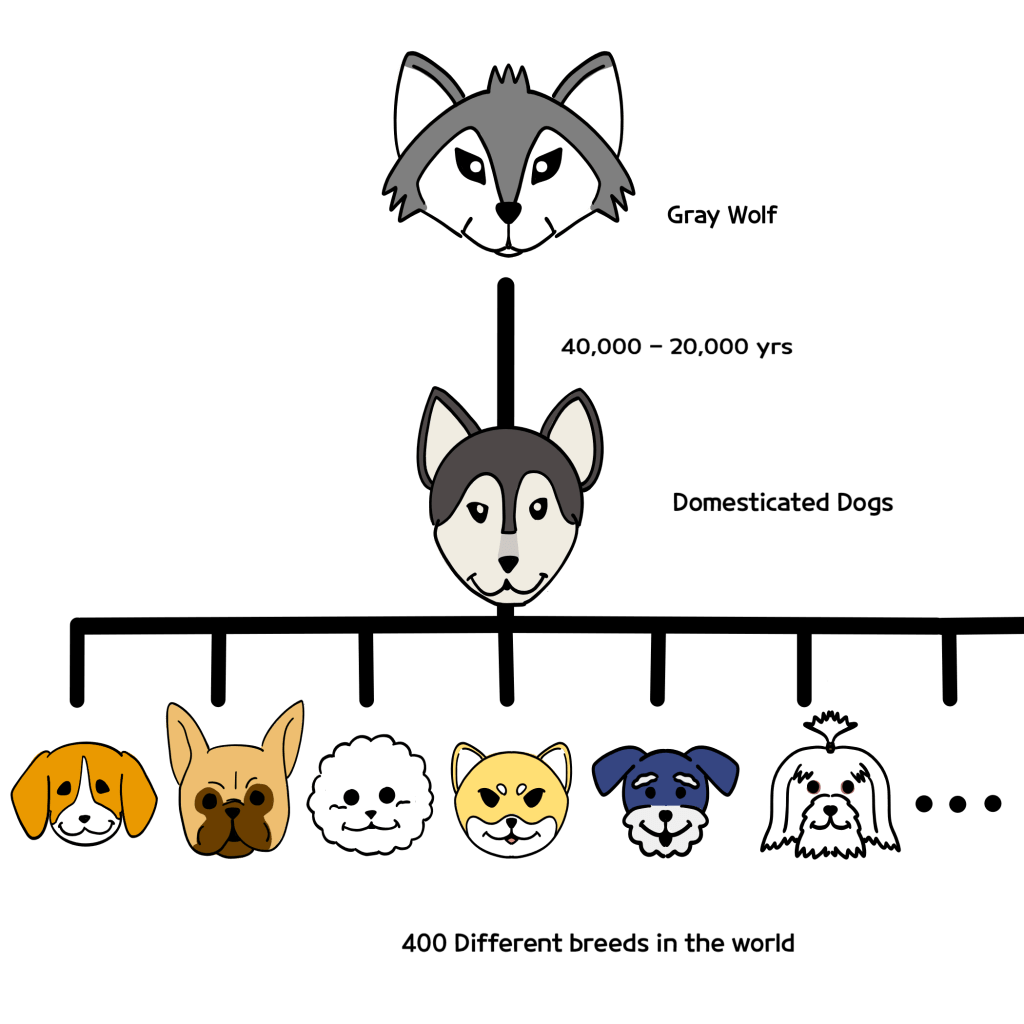
- The face of a dog is rounder and fluffier compared to that of a wolf: This change occurs during the domestication process to appeal for cuteness and receive protection
- As they have been raised in various regions from Asia to Europe and Africa, they have evolved into various breeds depending on the environment.
- There are more than 400 different dog breeds worldwide. Dogs have more variations in size and form than any other species, ranging from 3 LB to 150 LB.
- As living environments change rapidly, dog breeds are also changing quickly.
Evolution of Canine Expression
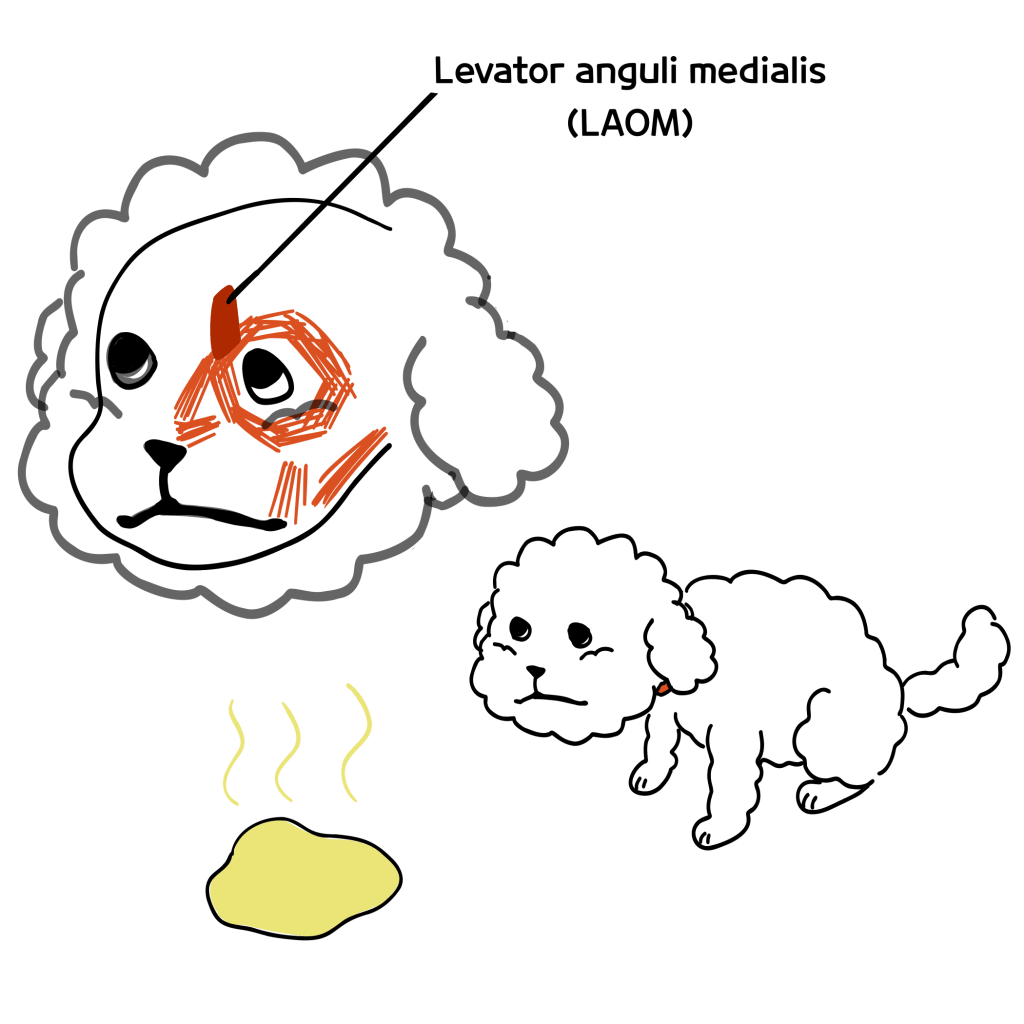
- The wolf, the dog’s ancestor, has a terrifying and intimidating appearance. However, when I look at my dog at home, it seems cute but also looks pitiful.
- The round eyes, broad ears, short snout, and overall round face shape give a cute impression. When a dog is asking for something or has done something wrong, it makes a unique expression that mixes cuteness and pitifulness.
- This is due to the muscle in the middle of the forehead above the eyes, the levator anguli oculi medialis (LAOM), which developed as wolves evolved into dogs. Like humans, when this muscle is moved, the muscles surrounding the round eyes droop, creating a pitiful expression.
Dog is a Natural Born Cuddlebug
- A dog’s sense of smell is 10,000-100,000 times more developed than a human’s, relying heavily on scent for information.
- Dogs are colorblind with dichromatic vision, seeing mainly blue and yellow, unlike humans who see in red, blue, and green.
- They excel at motion detection, perceiving movement at 70-80 frames per second, compared to 24 frames per second for humans.
- Dogs see well in low light but can’t detect wavelengths outside the visible spectrum, debunking the myth that they can see things like ghosts.
Canine Eye Stains
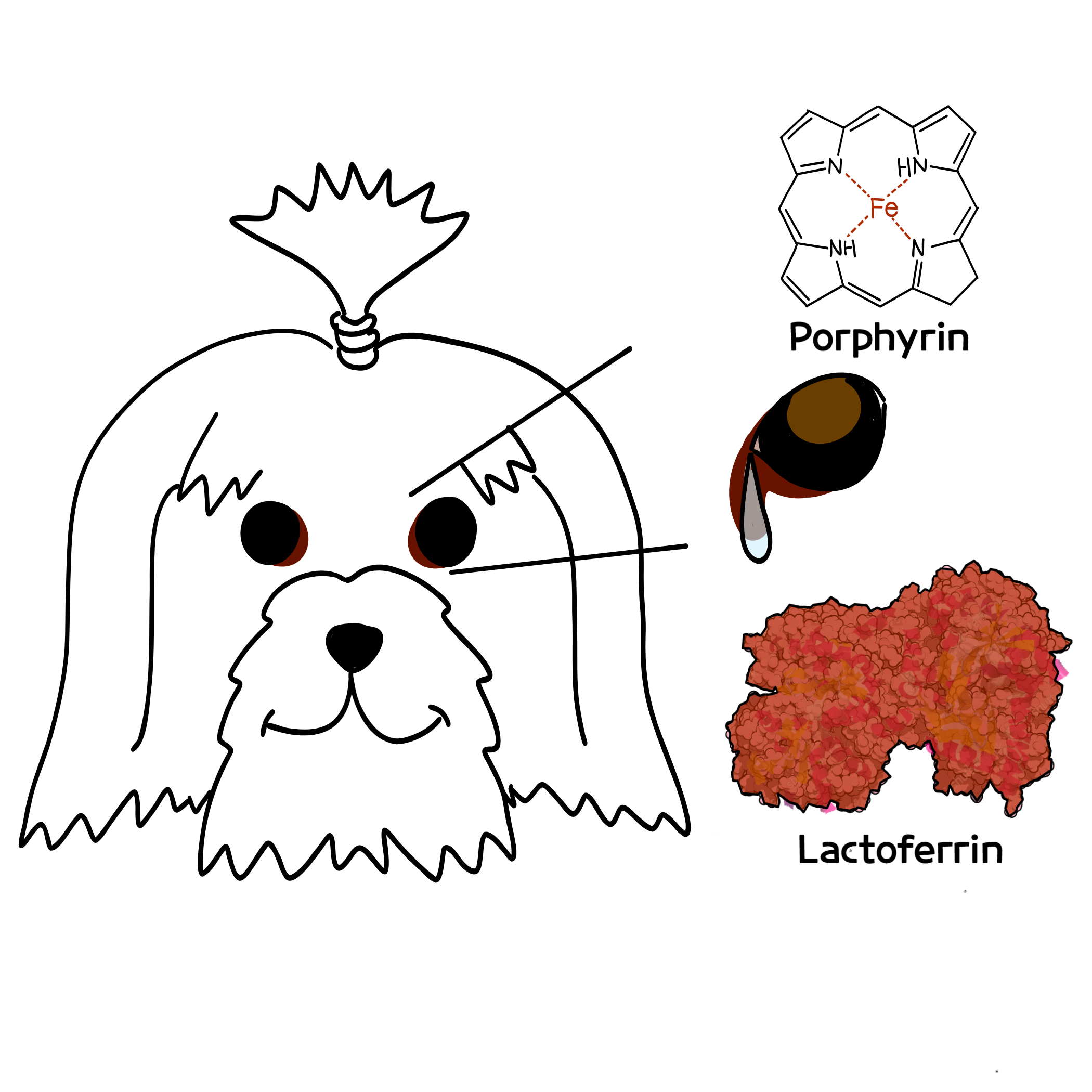
- Dogs with light or white fur may develop brown or reddish stains around their eyes.
- The reddish color is formed when a protein called lactoferrin and a molecule called porphyrin, which contains iron, are oxidized in the tears.
- This staining is primarily caused by excessive tear production, which may result from blocked tear ducts, allergic reactions, or eye infections. Reducing allergens, providing eye health supplements, administering probiotics to reduce allergic reactions, and maintaining a clean environment can help minimize these stains.
- If excessive tear stains develop, it’s important to consult a veterinarian to diagnose and treat potential eye infections.
Canine Mouth
• A dog’s mouth is quite complex.
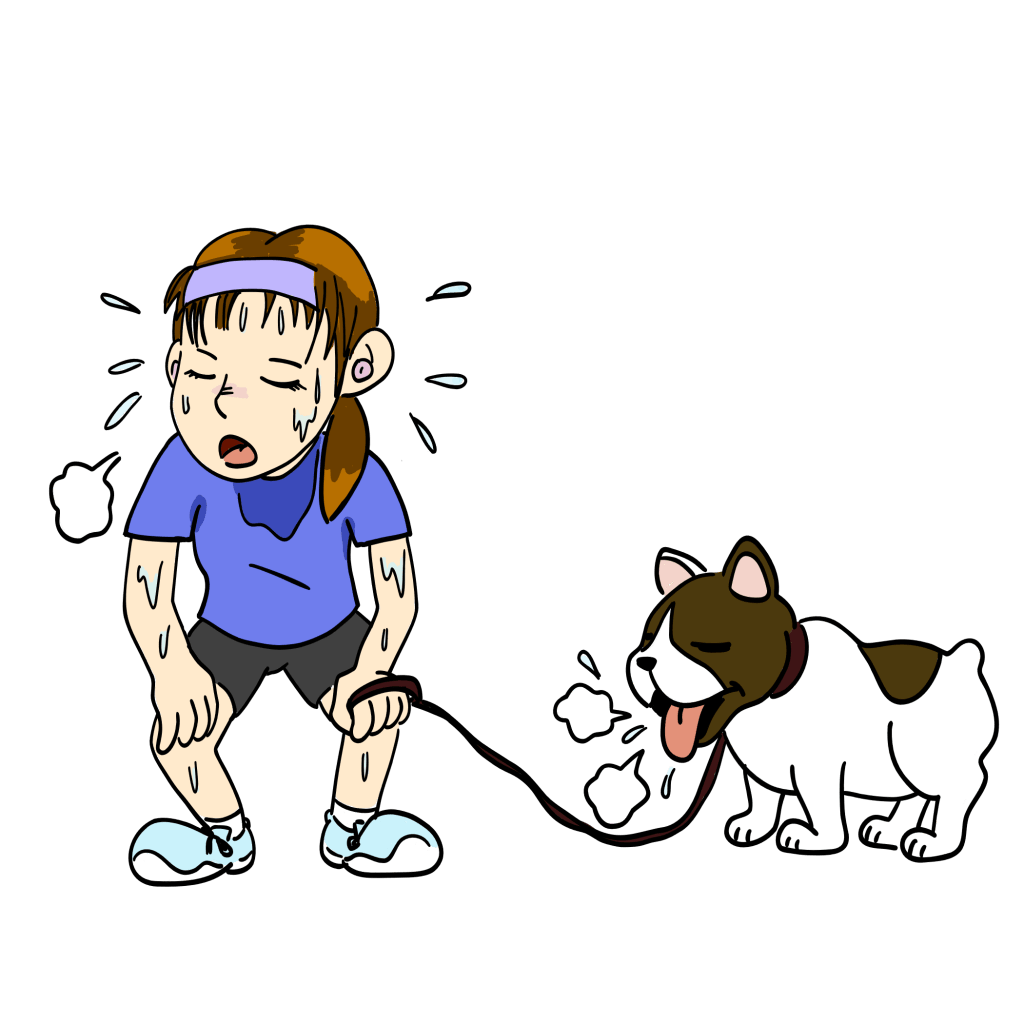
- Since dogs have fur covering their skin, they lack sweat glands on their skin, so they regulate their body temperature mainly through the sweat glands in their paw pads and (mostly) through their wide mouths.
- When a dog pants, it’s an effort to cool down by rapidly evaporating moisture from the inside of their mouth.
- Unlike humans, dogs can’t pucker their lips to drink, so they lap up water by curling their long tongues and scooping it up, which often leads to water splashing everywhere and the fur around their mouths getting wet and dirty.
- Dogs have 42 teeth in total, including two pairs of canines (from which the word “canine” is derived). Puppy teeth begin to emerge around 3 weeks after birth and are replaced by permanent teeth between 3 and 8 months.
- Regular tooth brushing and the use of dental chews and toys are necessary to maintain the health of a dog’s teeth and gums. The balance of the oral microbiome is crucial for gum and tooth health.
- Regular vet visits for dental check-ups and scaling are essential.
Canine Ears
- The ears of gray wolves are pointed and exposed to better hear the sounds of distant prey.
- In contrast, dogs’ ears have evolved into various shapes depending on their roles while living with humans.
- The floppy ears of Beagles help gather scent particles from the ground and protect their ears while digging for prey that’s been shot, aiding in their activity and hunting ability.
- The folded ears of Greyhounds reduce wind resistance during their fast runs.
- The long, hairy ears of breeds like Bichon Frise, Poodle, and Maltese enhance their attractive appearance. However, floppy ears can trap moisture, making ear infections more likely, so regular ear cleaning and fur maintenance are essential.
Canine Tails
- For many four-legged animals, the tail plays an important role in maintaining balance.
- In addition to helping with balance, a dog’s tail has evolved to serve various functions in close interaction with humans.
- The tip of a Beagle’s tail is white, which allows the owner to quickly spot the dog’s location in tall grass.
- For many four-legged animals, the tail plays an important role in maintaining balance. In addition to helping with balance, a dog’s tail has evolved to serve various functions in close interaction with humans.
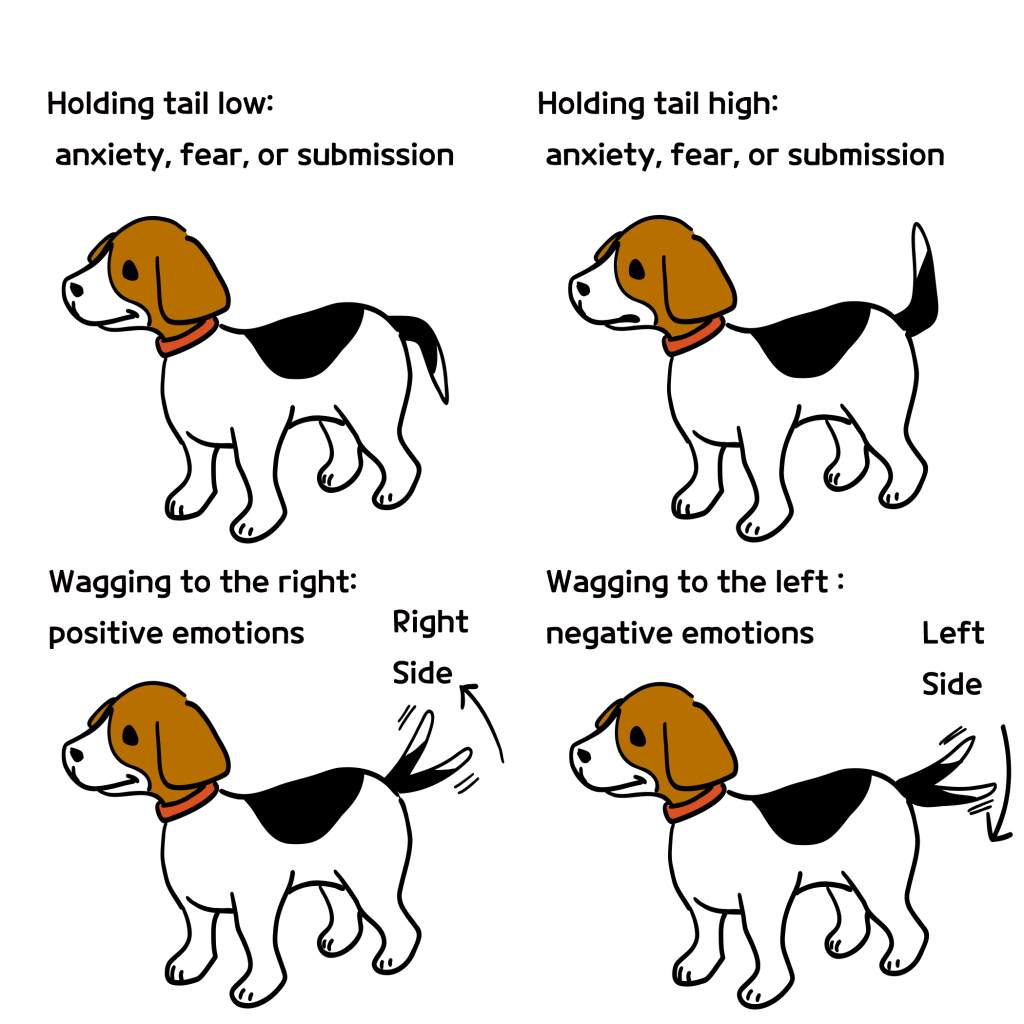
- Emotional Expression:
– When a dog wags its tail to the right, it indicates positive emotions such as happiness and affection.
– Wagging to the left often signifies negative emotions in situations involving strangers or perceived threats.
– A tail held high indicates a display of dominance or a threat.
– A tail lowered signifies anxiety, fear, or submission.
- The tip of a Beagle’s tail is white, which allows the owner to quickly spot the dog’s location in tall grass.
References
- Case, The Dog: Its Behavior, Nutrition, and Health, 3rd ed., 2023, WIley
- Gates, Dogology: The Weird and Wonderful Science of Dogs, 2021, Quadrille
- Lewis, Biology of Dogs: From Gonads Through Guts to Ganglia, 2021, Dogwise
- Folge, New Encyclopedia of Dog, 2000, DK
 Leo & Leah
Leave a comment