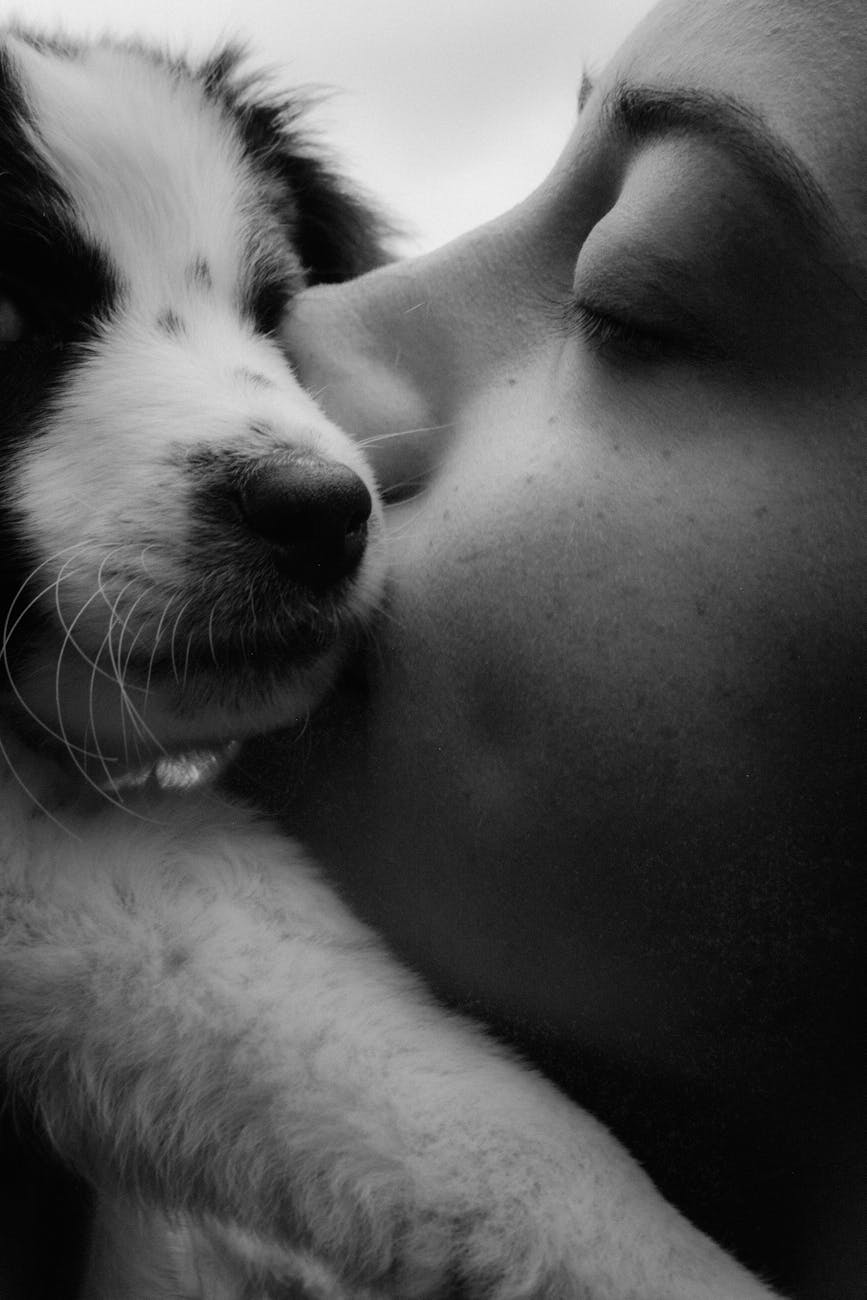
My Best Pal, Dog
- Dogs as Domesticated Animals
Dogs have been domesticated animals living alongside humans for a long time
- Ancestry and Domestication
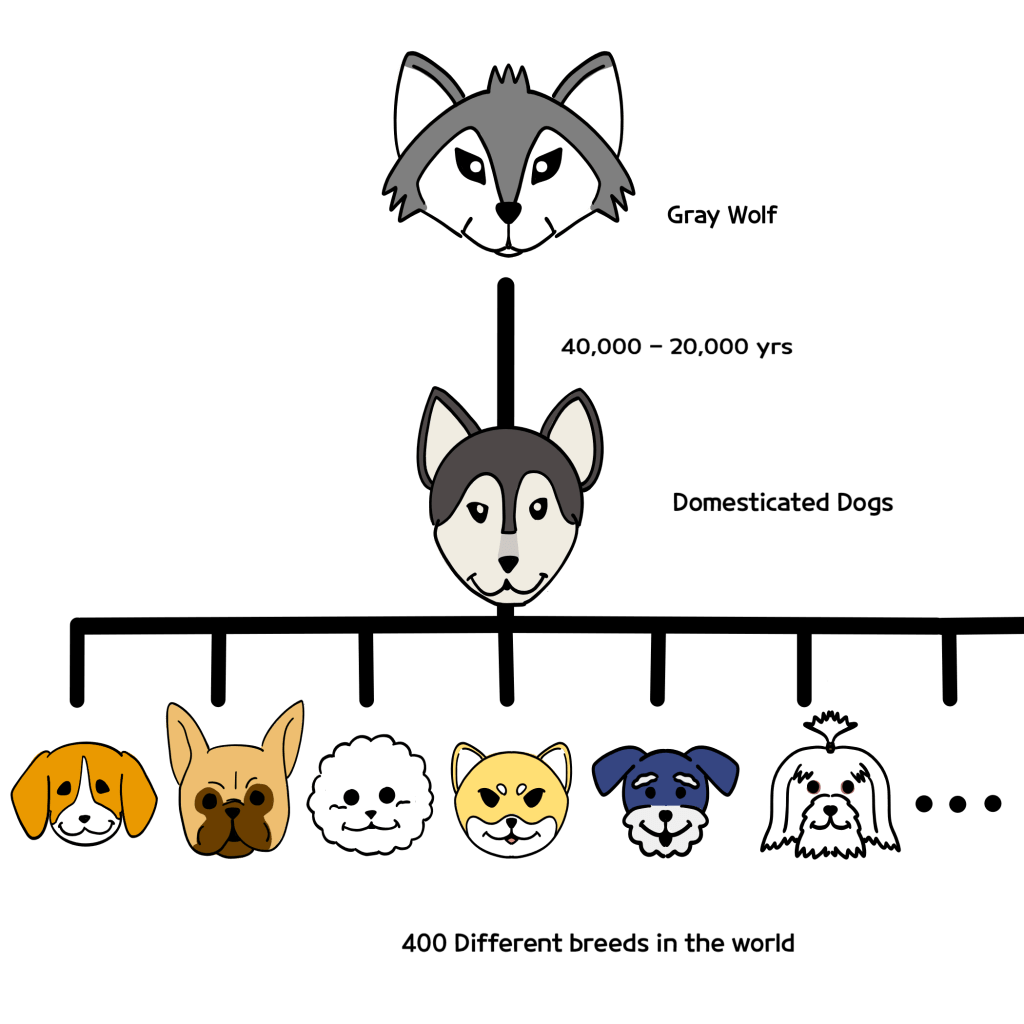
Dogs are descended from gray wolves, having branched off from wolves around 30,000 to 40,000 years ago. They are believed to have been domesticated between 20,000 and 40,000 years ago, developing unique and diverse traits over this time spent with humans.
- Breed Diversity
Within the same species, there exists a wide range of breeds, each with distinct characteristics and appearances.
• Role as Human Companions
Dogs play the role of humans’ best animal friends, characterized by high sociality, strong loyalty, and the ability to express a wide range of emotions.
• Dependency on Humans
Dogs have weak independence and require constant care from humans in various aspects of their lives.Dogs as Domesticated Animals
Dog is a Natural Born Cuddlebug
• Bond Between Humans and Dogs
The bond between humans and dogs is interactive.
• Hormonal and Neurochemical Responses
When humans pet or play with dogs, the secretion of hormones and neurotransmitters like oxytocin, beta-endorphin, prolactin, dopamine, and beta-phenylethylamine is stimulated.
Oxytocin: Known as the “love hormone.“
Beta-Endorphin: Known as the “pleasure hormone.“
Prolactin: A hormone released during lactation and childbirth. Also regulates emotional states.
Dopamine: Associated with joy and addiction.
Beta-Phenylethylamine: A neurotransmitter linked to happiness and pleasure.
Thus, humans feel happiness through interaction with dogs.

• Reciprocal Feelings in Dogs
Dogs also experience similar hormonal and neurotransmitter responses when interacting with humans, leading to feelings of happiness. This indicates that dogs do not just live with humans for food and shelter, but they genuinely feel happiness as part of a family when they are with humans.
Dog Appearance
• Physical Changes in Dogs Compared to Wolves
Dogs have rounder faces and fluffier fur compared to wolves. These changes occurred during domestication to make them appear cuter and receive protection.
• Evolution of Dog Breeds Across Regions
Dogs have been bred across various regions, from Asia to Europe and Africa, evolving into different breeds according to their environments.
• Diversity of Dog Breeds
There are over 400 different dog breeds worldwide. As living environments change rapidly, dog breeds are also changing quickly.
Dog Socialism
• Increased Sociality Due to Domestication
As dogs became domesticated, their sociality increased, and their wariness of unfamiliar animals or humans decreased.
• Communication and Expression
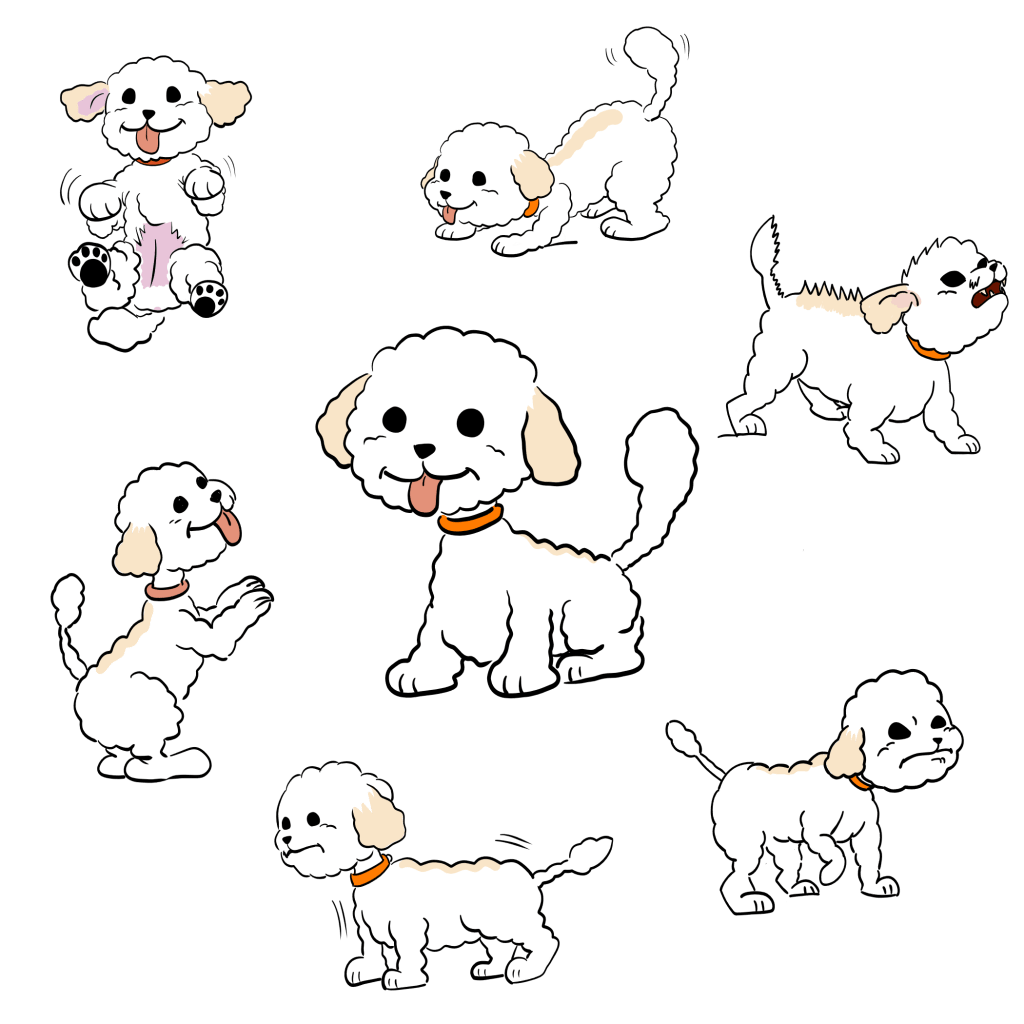
Unlike their ancestors, wolves, who needed to appeal to humans through communication, domesticated dogs developed the ability to make various facial expressions and use body language effectively.
• Dependence on Humans
Dogs do not live in packs but rely entirely on humans for everything, from birth and upbringing to food, shelter, and care.
• Relationship Built on Trust
This kind of relationship is challenging without a foundation of solid trust. Therefore, the social nature of dogs has evolved to depend on and trust humans, living in a way that makes them lovable and necessary to humans.
Dog Gastrointestinal tract
• Dietary Differences
Wolves are carnivores (as are cats). However, unlike their wolf ancestors, dogs have become omnivores through living alongside humans.
• Nutritional Needs of Dogs
Dogs require a balanced diet that includes proteins, fats, and carbohydrates.
• Importance of Gut Microbiome
Unlike carnivores such as wolves or cats, the gut microbiome is a crucial factor in the overall health of dogs.
References
- Case, The Dog: Its Behavior, Nutrition, and Health, 3rd ed., 2023, WIley
- Gates, Dogology: The Weird and Wonderful Science of Dogs, 2021, Quadrille
- Lewis, Biology of Dogs: From Gonads Through Guts to Ganglia, 2021, Dogwise
- Folge, New Encyclopedia of Dog, 2000, DK
 Leo & Leah
Leave a comment