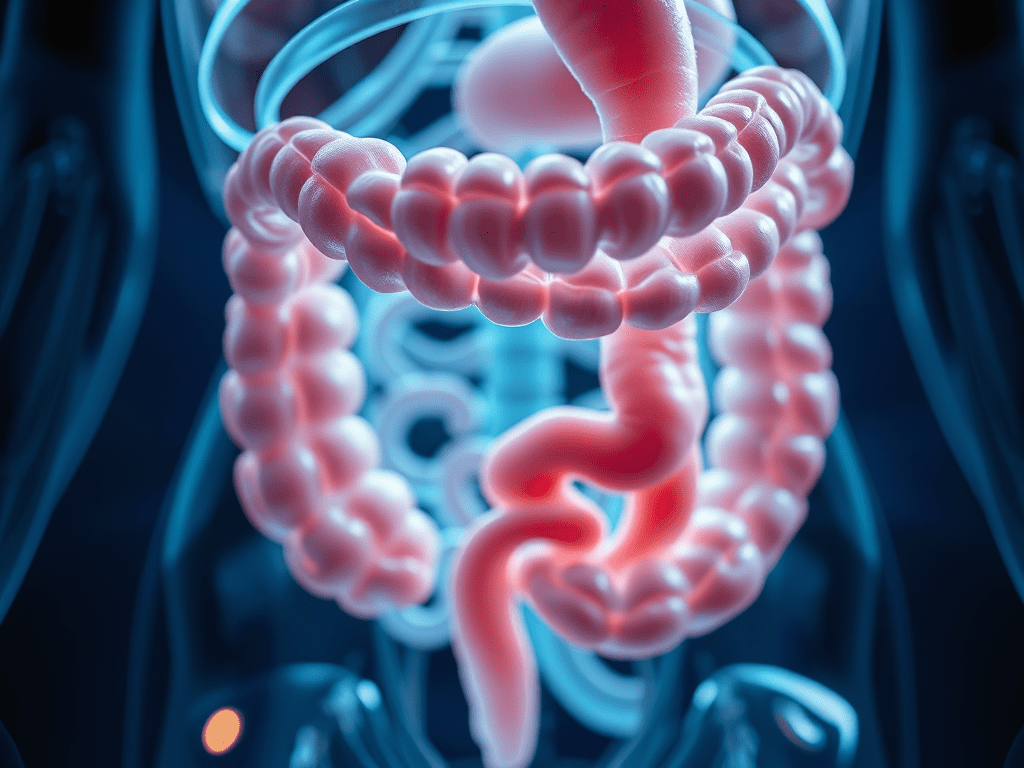
Our bodies use nutrients through the process of breaking down and absorbing the food we consume. The leftovers that cannot be absorbed are expelled from our bodies. The system responsible for the entire process, from the consumption of food to digestion and elimination, is called the digestive system. The digestive system includes organs that are connected from the mouth to the anus (i.e., the digestive tract) and organs that secrete substances to aid in digestion outside the digestive tract. The digestive tract consists of the mouth, pharynx, esophagus, stomach, small intestine, large intestine, rectum, and anus. The organs outside the digestive tract that contribute to digestion include the pancreas, liver, and gallbladder. The digestive system performs the task of physically (i.e., mechanically) and chemically breaking down the ingested food into molecular components and selectively absorbing the necessary nutrients. This is an incredibly fascinating process, and it is worth noting that in our daily digestive activities, we are benefiting from advanced technologies used in omics research (the study of all components, such as molecules or cells, within a biological system), which is one of the most expensive research areas in the field of bioscience. Looking at it from another perspective, the goal of omics research is to understand the phenomena that occur within the human body, and it can be said that our technology has not yet fully kept pace with the complexity and precision of nature. The process of food digestion is highly complex, and in this text, we will provide a brief summary of what we learned during our school years.
When food is consumed through the mouth, it is chewed and crushed by the teeth. The saliva secreted into the oral cavity helps to moisten the food and make it easier to chew. The digestive enzyme amylase in saliva chemically breaks down carbohydrates. The food passes through the pharynx and esophagus into the stomach, where it stays for a certain amount of time and undergoes further physical and chemical digestion. The stomach mechanically breaks down food into smaller particles. Gastric juice is released in the stomach, and the hydrochloric acid and the protein-digesting enzyme pepsin in the gastric juice break down proteins. The duodenum refers to the first part of the small intestine. Many digestive enzymes are secreted in the duodenum. Amylase breaks down carbohydrates, and enzymes such as trypsin, chymotrypsin, and carboxypeptidase, which break down proteins, are secreted from the pancreas into the duodenum. The breakdown of fats also primarily occurs in the duodenum. The enzyme lipase, which breaks down neutral fats, is secreted in small amounts in the mouth and stomach but is mainly secreted by the pancreas. Digestive enzymes are also secreted in the small intestine, located after the duodenum, where the breakdown of carbohydrates, proteins, and fats continues. The absorption of the broken-down molecules takes place in the small intestine. Minerals and vitamins are primarily absorbed in the small intestine as well. In the large intestine, primarily water is absorbed from undigested food, and the remaining residue is eliminated from the body.
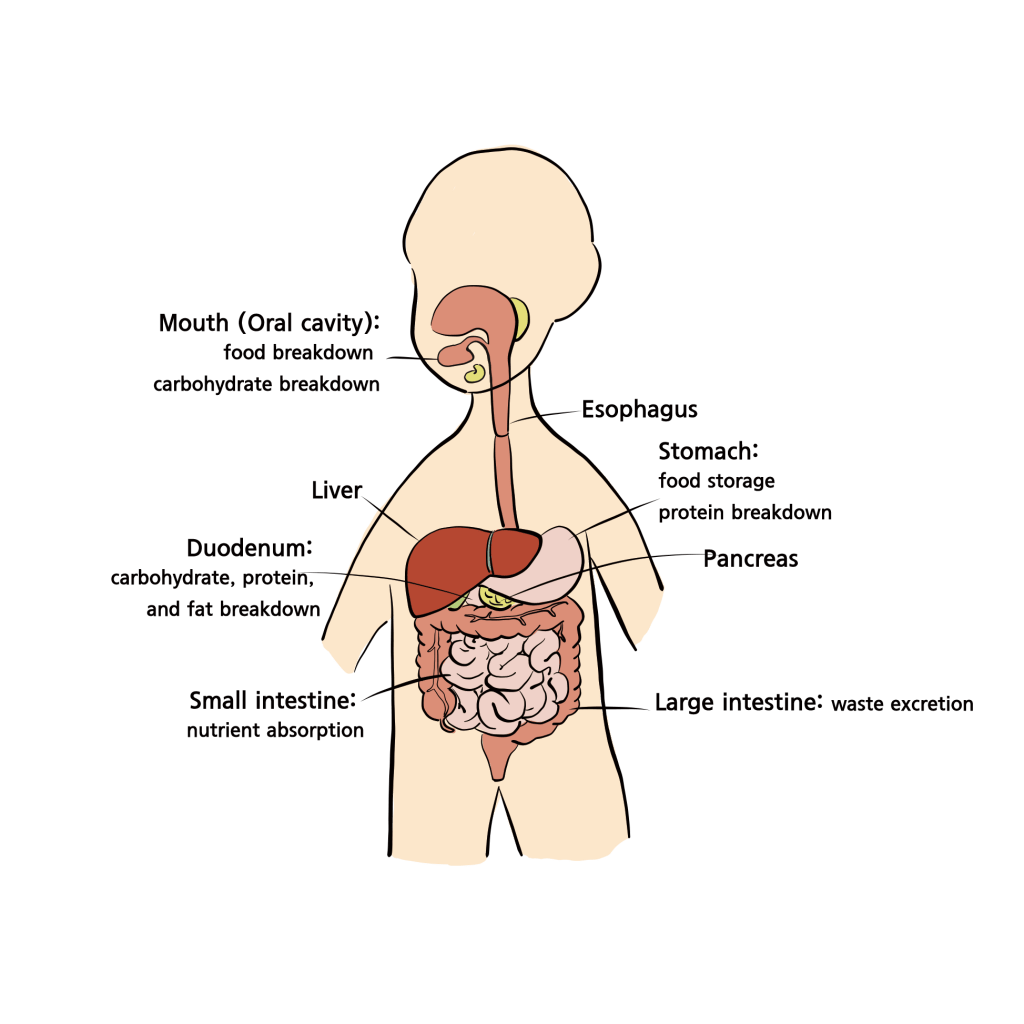
The nutrients absorbed in the small intestine travel through the bloodstream to reach the body’s cells, which are used for various cellular activities. About 80% of the water we drink is also absorbed in the small intestine. Any unabsorbed water left travels to the large intestine, where it helps soften stool and facilitate bowel movements. Some of it is absorbed into the blood vessels of the large intestine. The intestinal barrier prevents various bacteria, partially digested large food particles, pesticides, and harmful substances from being absorbed into the bloodstream, protecting our body.
Looking at nutrients and the digestive system, it might seem surprisingly straightforward. In summary, the digestive system processes and breaks down food into the six major nutrients in the small intestine for absorption. At the same time, the leftovers are expelled through the large intestine as waste. Non-nutrient substances, however, are not absorbed. Nevertheless, our everyday knowledge about food and nutrients, acquired through various sources, including mass media, can be quite diverse and complex. This complexity is because absorbed nutrients act at the molecular level in our bodies. To truly understand the foods and nutrients we encounter daily, we need to delve into them at the molecular level. Instead of categorizing them as merely “beneficial” or “harmful” based on their constituents, we should delve into food, nutrients, and toxic substances at the molecular level, pursuing a comprehensive understanding that is both thorough and accessible.
References
1. https://www.who.int/elena/nutrient
3. Campbell et al. (2017) Essential biology, 11th Ed., Pearson Education, Inc.
 Leo & Leah
Leave a comment