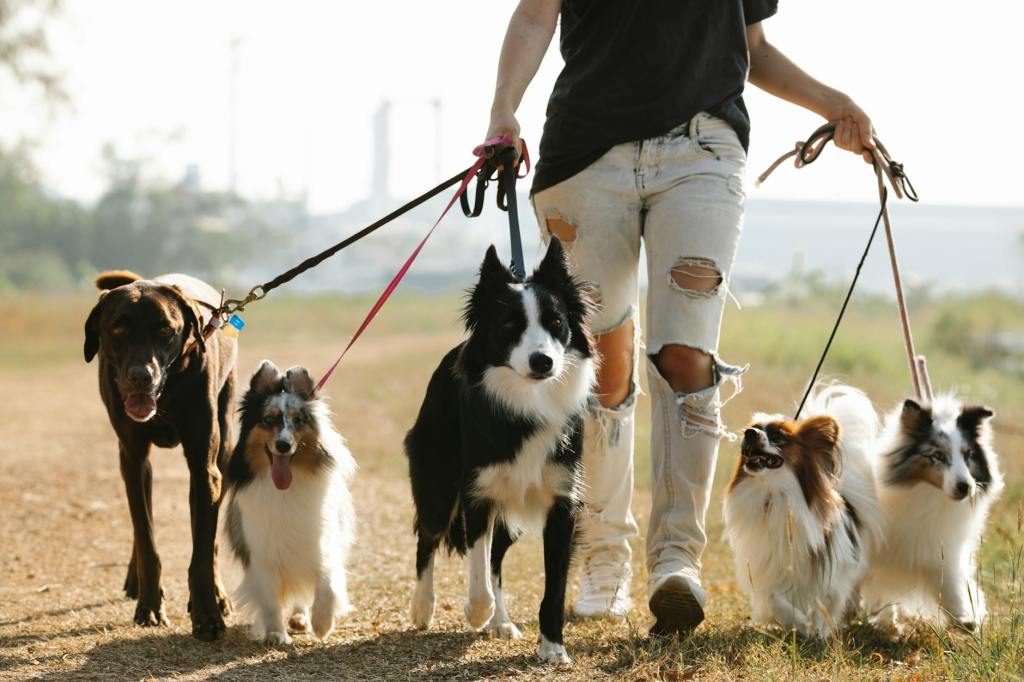
Types of Canine Coat
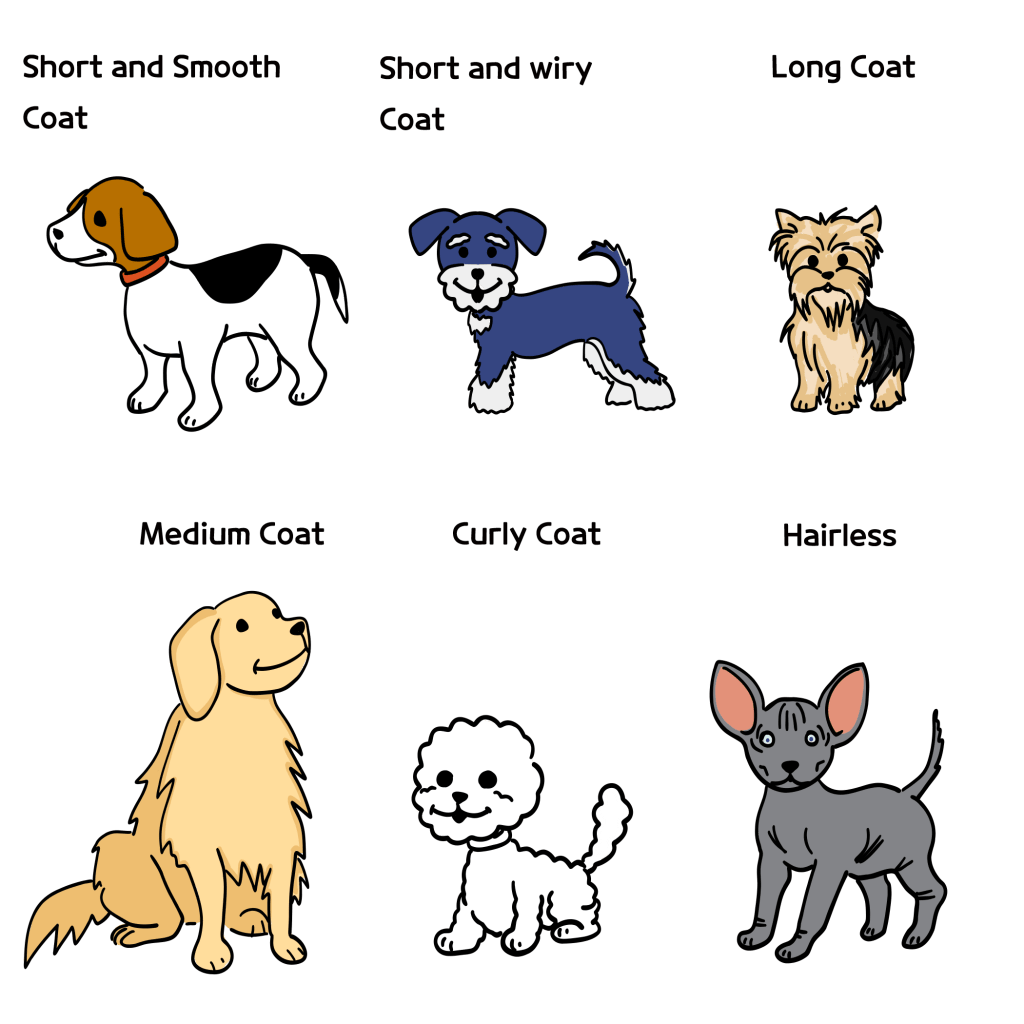
- Dog Coats are Primarily Classified into 6 Types
1. Short and Smooth Coat
– Representative Breeds: Doberman Pinscher, Beagle, Dachshund, Greyhound
– Care: Regular brushing to remove dead hair is important. Be cautious with excessive bathing as it can strip the coat of its natural oils.
2. Short and Wiry Coat
– Representative Breeds: Wire Fox Terrier, Schnauzer, Border Terrier
– Care: Regular stripping (hand-plucking) and trimming are necessary, along with consistent brushing to prevent matting.
3. Long Coat
– Representative Breeds: Shetland Sheepdog, Yorkshire Terrier, Shih Tzu
– Care: Long coats are composed of multiple layers, making them prone to matting, so frequent brushing is necessary. The ends should also be trimmed regularly.
4. Medium Coat
– Representative Breeds: Golden Retriever, Australian Shepherd, Border Collie
– Care: These dogs have a thick undercoat, which leads to heavy shedding, especially seasonally. Frequent brushing and maintenance are required.
5. Curly Coat
– Representative Breeds: Poodle, Bichon Frise, Portuguese Water Dog
– Care: Curly coats shed less and have a soft texture but are prone to matting. Frequent brushing and regular trimming are needed. Keeping the coat short makes it easier to manage.
6. Hairless
– Representative Breeds: Chinese Crested Dog, Mexican Hairless Dog (Xoloitzcuintli), Peruvian Inca Orchid
– Care: It’s important to regularly clean the skin and maintain moisture levels, and to be cautious of sun exposure.
– A dog’s coat is greatly influenced by their gut health, immune system, and skin condition.
Healthy Canine Coat and Probiotics
- A dog’s coat is greatly influenced by gut health, the immune system, and skin condition.
– Balanced diet
– Improving Gut Health
– Strengthening the Immune System:
– Improving Skin Health
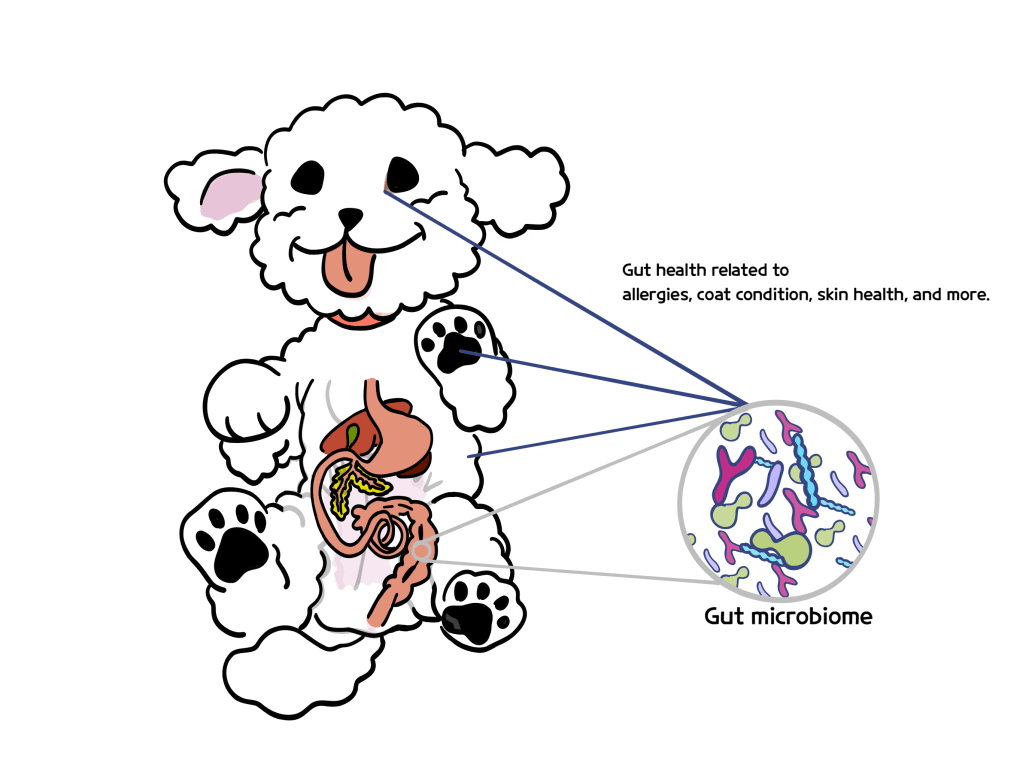
Probiotics are essential for maintaining a healthy gut, directly influencing your dog’s coat by improving nutrient absorption and supporting skin health. They also boost the immune system, helping to prevent skin diseases and coat problems. A balanced diet rich in essential fatty acids, combined with regular grooming and proper hydration, further enhances coat quality. Supplements like fish oil can be added to the diet to promote a glossy, resilient coat. Regular veterinary check-ups ensure any underlying issues are addressed, keeping your dog’s coat in optimal condition.
References
- Case, The Dog: Its Behavior, Nutrition, and Health, 3rd ed., 2023, WIley
- Gates, Dogology: The Weird and Wonderful Science of Dogs, 2021, Quadrille
- Lewis, Biology of Dogs: From Gonads Through Guts to Ganglia, 2021, Dogwise
- Folge, New Encyclopedia of Dog, 2000, DK
 Leo & Leah
Leave a comment